Key facts
- Estonia's 1st Brigade is relocating to a new base less than 50 kilometers from the Russian border.
- The move is part of a strategic shift towards active defense, enabling immediate return strikes.
- Estonia's defense spending will increase by 42% to 2.4 billion euro ($2.69 billion) by 2026.
- New weapons systems, including rocket systems, have been procured.
- Estonian defense planning is being revised due to Russia's plans to double its forces across the border.
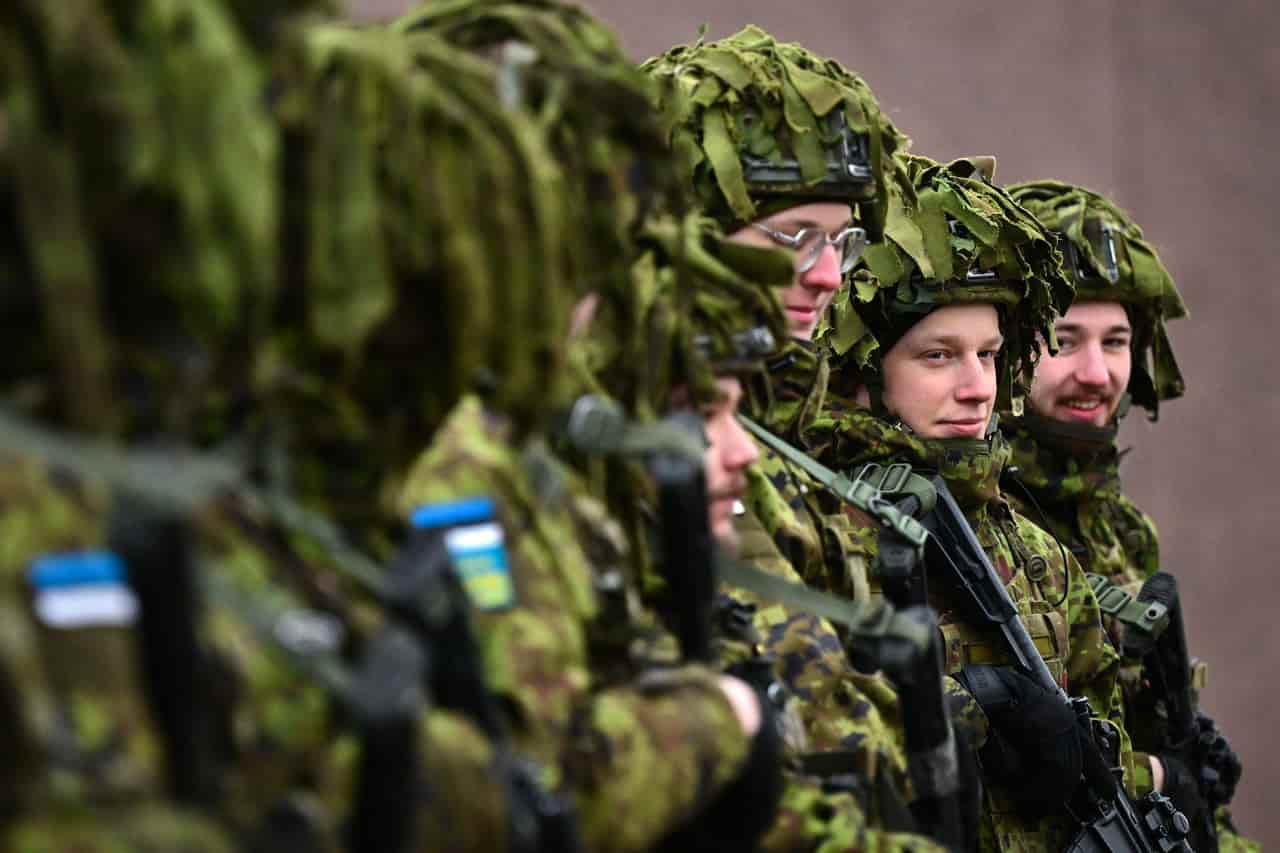
Estonia's 1st Brigade, the primary combat-ready unit of the country's land forces, is set to relocate to a newly expanded base situated less than 50 kilometers from the Russian border. This strategic repositioning, revealed by the unit's commander Tarmo Kundla in comments published by the Financial Times on October 5, is a response to heightened concerns over Russia's military intentions towards the Baltic nation.
The brigade will move from its current base in Tapa to Johvi, a town west of Narva, a city on the Russian border often considered a potential flashpoint for hybrid or kinetic attacks due to its strategic location and predominantly Russian-speaking population, which Russia has historically used as a pretext for aggression.
Kundla explained that the relocation aligns with a revised strategic doctrine for the Estonian military. This new approach emphasizes an "active defense" posture, relying on NATO airpower and the alliance's Article 5 mutual defense clause for protection against its larger neighbor. The aim is to "start from the border and win from the first battles," allowing for immediate counterstrikes into Russian territory if an invasion occurs.
Despite Russia's struggles in its nearly five-year war against Ukraine, the conflict has prompted many nations on NATO's eastern flank to increase defense spending and re-evaluate their military strategies. This reassessment is also influenced by the Trump administration's past questioning of the U.S. commitment to European security and Article 5. In 2026, Estonia plans a record 42% increase in defense spending, bringing it to 2.4 billion euro ($2.69 billion), or approximately 5.4% of its GDP. This investment includes the procurement of new weapon systems, such as U.S.- and South Korean-built rocket systems capable of reaching St. Petersburg. A defense ministry official noted that Estonia's defense planning, which had remained static for a decade, is undergoing a complete overhaul as Russia reportedly plans to double its forces along Estonia's border.