Key facts
- Dave Castino averages 39.4 mpg in his 2021 Mazda3, 46% better than the EPA estimate.
- New tires caused a 10% drop in Castino's fuel economy.
- Hypermiling, a practice of maximizing fuel efficiency, is seeing a resurgence.
- Modern cars' real-time fuel economy displays gamify efficiency for drivers.
- Sarah Holmes improved her Subaru Forester's mileage from 24-25 mpg to 30-31 mpg.
- Hadi Ahmad is exploring extreme methods like attaching pizza pans to car wheels for efficiency.
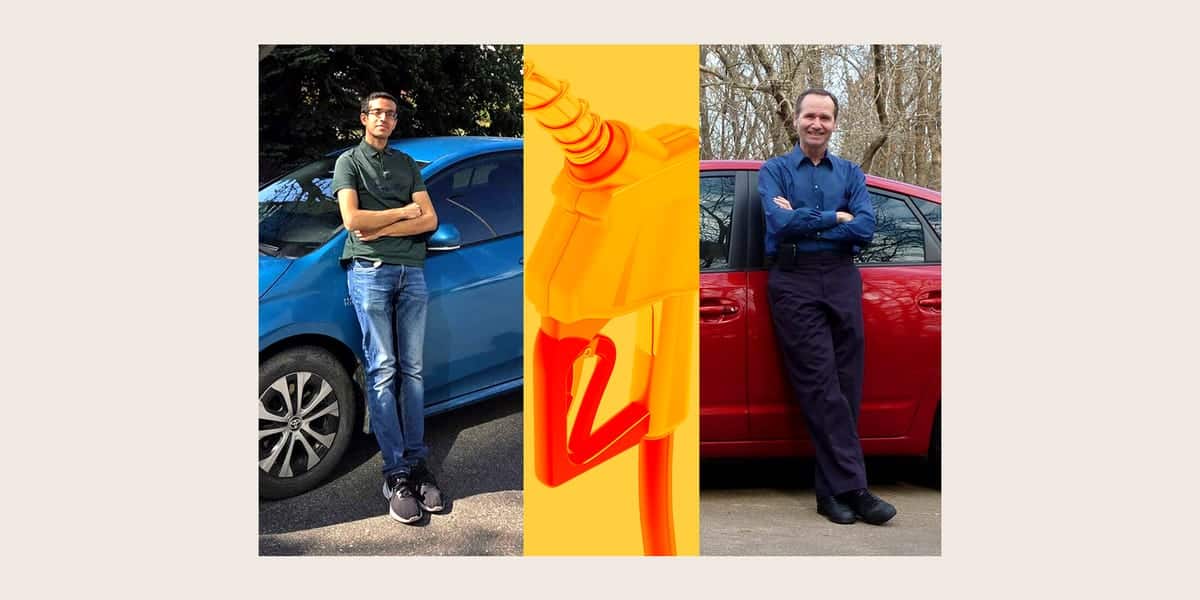
Drivers are increasingly adopting hypermiling techniques to save money on gasoline, a practice that involves optimizing driving habits for maximum fuel efficiency. Dave Castino, an energy manager, meticulously tracks his mileage in his 2021 Mazda3, achieving an average of 39.4 miles per gallon, significantly exceeding the EPA's estimate. He attributes a 10% decrease in his fuel economy to new tires, which were chosen for winter weather performance.
Castino views hypermiling as a way to make his two-hour daily commute more engaging, likening it to a game of beating his previous high score. While he estimates saving about $600 annually, he acknowledges that the financial gains are secondary to the personal challenge and environmental awareness.
The term "hypermiling" was popularized by Wayne Gerdes in 2004, gaining significant attention in 2008 when gas prices surged. Although current prices are not as extreme, modern vehicles with real-time fuel economy displays have made it easier for drivers to monitor and compete for better mileage, turning efficiency into a gamified experience.
Sarah Holmes, a social worker, found that slowing down and adhering to speed limits during her stressful commute improved her 2015 Subaru Forester's mileage from 24-25 mpg to 30-31 mpg. On the more extreme end of the spectrum, Hadi Ahmad, a data analyst, is exploring unconventional methods like attaching pizza pans to his car's wheels to further enhance fuel efficiency.