Key facts
- Traders priced a 14.5% chance of a large Fed hike next month, up from 0% a week earlier, per CME FedWatch.
- The dollar index was last down 0.05% at 103.17, its highest since April 2025.
- The euro fell 0.1% to $1.1049 and was down 0.8% for the week, its largest weekly loss since late September.
- The Australian dollar fell about 2.5% over the past month, the worst-performing G10 currency against the dollar.
- Fed officials warned this week that US inflation remains stubbornly elevated, with some open to a 50-basis-point increase.
The dollar held near a 19-month high on November 13, 2026, after a strong week of gains built on rising bets that the Federal Reserve will raise rates by more than usual next month, Reuters reported.
Two-year Treasury yields gained 34 basis points over the past two sessions, the sharpest two-day rise in 3-1/2 years, after US President Donald Trump said the US does not need a deal with Iran and as traders weighed the chance of a larger-than-usual Fed rate increase next month. Fed officials warned during the week that US inflation remains stubbornly elevated, with some signalling openness to a 50-basis-point increase if price pressures fail to ease. Traders priced a 14.5% chance of a large hike next month, up from 0% a week earlier, according to the CME FedWatch tool.
The dollar index was last down 0.05% at 103.17, remaining at its highest since April 2025. The euro dropped 0.1% to $1.1049, near its lowest against the dollar since April 2025, and was down 0.8% for the week, on track for its largest weekly loss since late September.
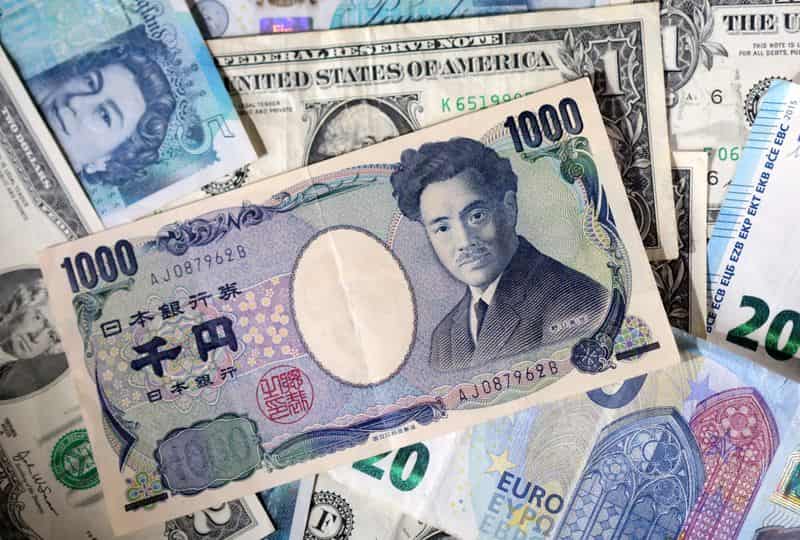
The Japanese yen was largely unchanged at 159.875 per dollar, near its lowest level since early September, fuelling intervention concerns. Japanese Finance Minister Satsuki Katayama said the government will respond appropriately to currency volatility as the yen briefly hit the key 160-per-dollar line on November 12.
The Australian dollar has fallen about 2.5% over the past month, the worst-performing G10 currency against the greenback and the only one where rate cuts are being priced in for next year. It was last at $0.68 in early trading. The dollar was largely steady against the Swiss franc at 0.835, near a one-month high.
Carol Kong, currency strategist at Commonwealth Bank of Australia, said: "If we do see a further sharp selloff in equity markets, that could be a negative for the US dollar." She added: "But I think there's a possibility it can continue its strong momentum in the near term, particularly with Fed officials speaking next week."
US crude futures closed 2.55% higher on November 12 after attacks by Yemen's Iran-aligned Houthis on Saudi energy infrastructure escalated and shipping disruptions persisted in the Strait of Hormuz.