Key facts
- The New York Fed said the July 30 rate checks were made solely on behalf of the US Treasury, acting as the government's fiscal agent.
- The New York Fed said it bought the yen to counter what the US Treasury viewed as disorderly moves in the Japanese yen.
- Japan's Ministry of Finance intervened in the amount of 15.4 trillion yen during the quarter, the New York Fed said.
- The New York Fed said the Fed did not intervene of its own accord in foreign exchange markets in the quarter.
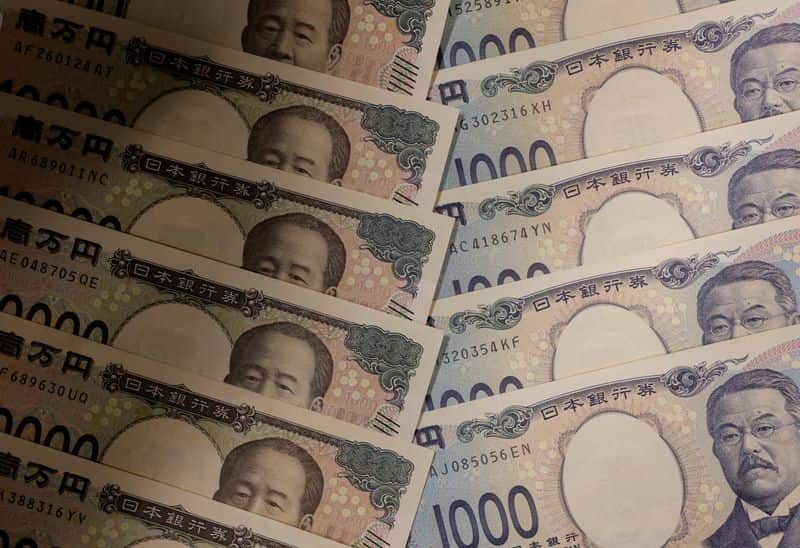
The Federal Reserve Bank of New York said on November 12 that the US Treasury bought Japanese yen in the July-to-September quarter, while the Federal Reserve did not intervene of its own accord in foreign exchange markets in the same period. The purchase was the first US yen-buying intervention since 1998, and the report shows Washington acted alongside Tokyo to support the Japanese currency.
On July 30, press reports emerged that the New York Fed had requested rate checks on the dollar-yen rate. The New York Fed report said the checks were made solely on behalf of the US Treasury, with the New York Fed acting as the government's fiscal agent. The yen rose 2.3% against the dollar that day.
The New York Fed said it bought 79.4 billion yen ($497.37 million) in the spot market on July 31, selling euros from the Exchange Stabilization Fund. It made the purchase to counter what the US Treasury viewed as disorderly moves in the Japanese yen, the report said.
Japan's Ministry of Finance acted in coordination, intervening in the amount of 15.4 trillion yen during the quarter to counter what it saw as excessive volatility and disorderly yen moves, the New York Fed added. The yen recovered quickly: between July 30 and August 3, the dollar-yen rate fell from around 164 yen per dollar to around 155 yen per dollar, the report said.
After the joint operation, Treasury Secretary Scott Bessent said the US would do whatever it takes to support Japan's effort to stabilize the yen.