Key facts
- Finance Minister Satsuki Katayama said recent foreign exchange moves had been one-sided and rapid.
- The yen fell to as low as 160.03 per dollar, crossing 160 for the first time since early September.
- Japan spent a record 15.4 trillion yen ($96.47 billion) on interventions over three days between July 30 and August 3.
- The New York Fed said it bought 79.4 billion yen in the spot market on July 31, selling euros from the Exchange Stabilization Fund.
- Top currency diplomat Atsushi Mimura said on Thursday it is too early to forget this summer's intervention.
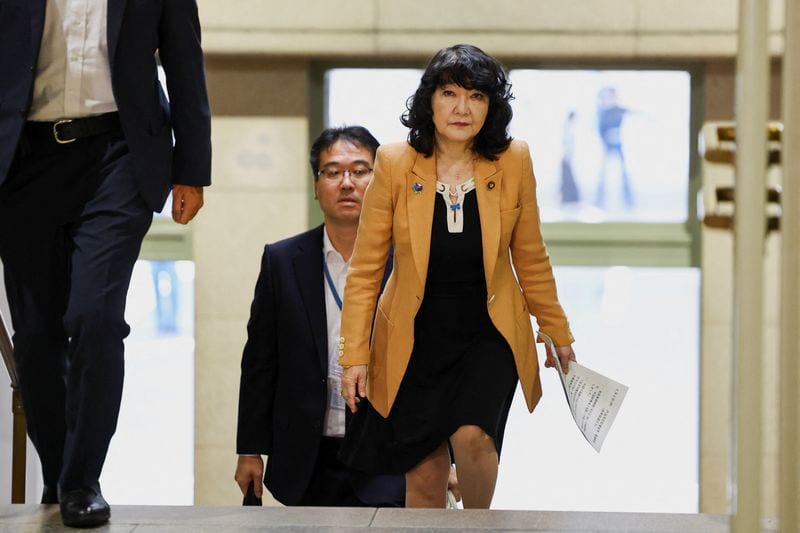
Japanese Finance Minister Satsuki Katayama said on November 13, 2026 that Tokyo will respond appropriately to currency volatility, repeating a warning after the yen briefly crossed 160 per dollar.
"Recent movements in the foreign exchange market have been one-sided and rapid," Katayama said at a regular news conference. "We will continue to work closely with the US Treasury and respond appropriately," she said, according to Reuters.
The yen fell to as low as 160.03 per dollar, crossing 160 for the first time since early September, following what the report described as a hawkish reassessment of the Federal Reserve's interest-rate path.
Katayama's remarks followed a similar warning on Thursday from top currency diplomat Atsushi Mimura, who said it is "too early to forget" this summer's intervention.
Japan last intervened on three days between July 30 and August 3, spending a record 15.4 trillion yen ($96.47 billion) as the currency reached its weakest levels in 40 years near 164 per dollar.
The Federal Reserve Bank of New York's quarterly report on currency market operations, published on Thursday, said it bought 79.4 billion yen in the spot market on July 31, selling euros from the Exchange Stabilization Fund. The purchase was the first US yen-buying intervention since 1998, and the report showed Washington acted alongside Tokyo to support the Japanese currency.