Key facts
- Chinese humanoid robot 'Lightning' set a new 100m world record at 9.32 seconds.
- The World Humanoid Robot Games are being held in Beijing.
- Over 500 robots from 16 countries are participating.
- The US has banned imports of Chinese humanoid robots due to national security concerns.
- The games include both sports-based events and scenario-based contests testing practical abilities.
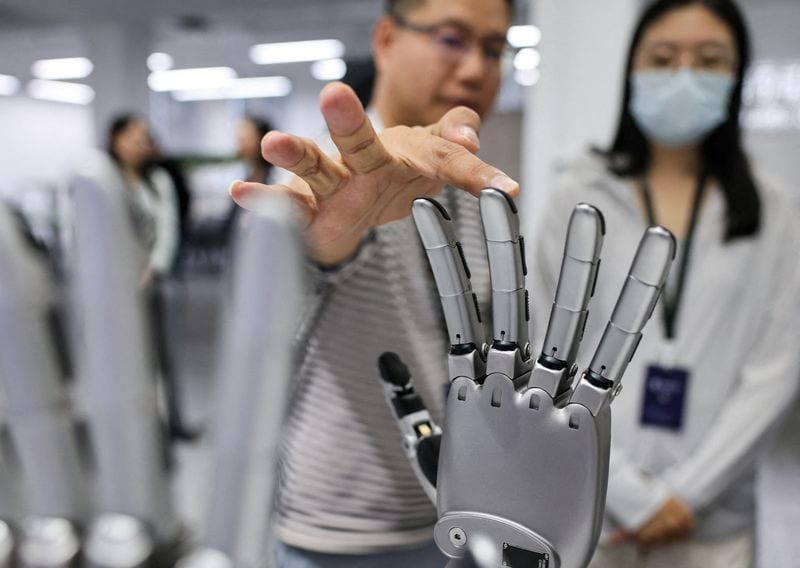
China's humanoid robot 'Lightning' has achieved a new world record for the 100-meter dash, completing the race in 9.32 seconds at the inaugural World Humanoid Robot Games in Beijing. This event highlights China's strategic focus on advancing its robotics sector, reportedly backed by President Xi Jinping. The games have evolved from academic projects into national showcases, featuring over 500 robots from 16 countries. Two robots surpassed Usain Bolt's previous 100m world record, and another robot ran the 400 meters faster than Wayde van Niekerk's record. Beyond the speed demonstrations, the games also include scenario-based contests designed to test robots in simulated factories, restaurants, and emergency situations, evaluating their ability to perform practical tasks like connecting cables, handling objects, and recovering from errors autonomously. Despite these advancements, the US has implemented an import ban on Chinese humanoid robots, citing national security concerns. Industry experts suggest that while the games showcase hardware improvements, the long-term value will depend on robots' ability to solve real-world problems and improve efficiency in practical applications.