Key facts
- Zhang Zhengbo, a former associate professor, was sentenced to 15 years in prison in December 2024 for drug-related crimes.
- The Hubei High People's Court revised its previous ruling, reinstating charges of smuggling, trafficking, transporting, and manufacturing drugs.
- The case has spanned 10 years and undergone five trials with two previous verdict revisions.
- Zhang and accomplices manufactured and sold substances like 3,4-methylenedioxy methcathinone overseas.
- Prosecutors had challenged earlier rulings, arguing they were legally flawed and too lenient.
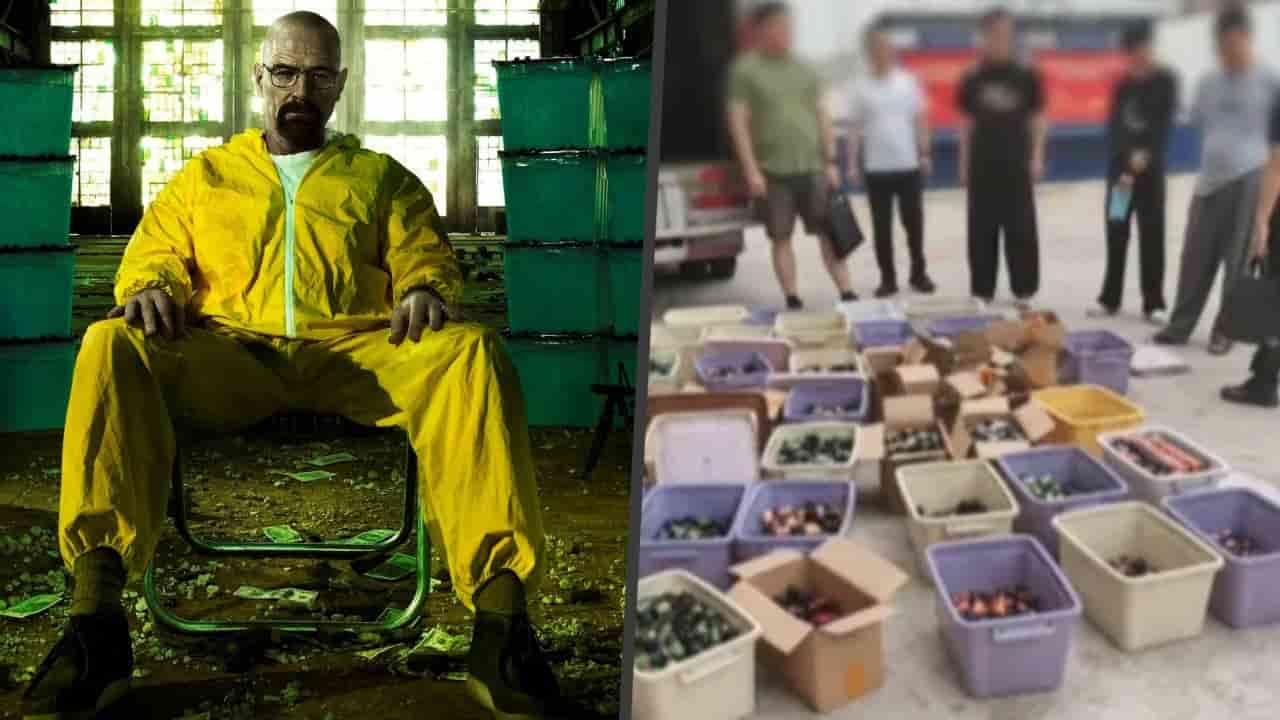
- The case has been widely dubbed "China's Breaking Bad" due to the defendant's academic background.
A decade-long legal battle involving a former Chinese associate chemistry professor, dubbed "China's Breaking Bad," has concluded with a revised verdict that reinstates drug-related charges and imposes a 15-year prison sentence. The Hubei High People's Court issued its latest judgment in December 2024, overturning previous rulings that had reduced the charges and sentences.
Zhang Zhengbo, who was also a doctoral tutor, was initially arrested in June 2015 for developing, producing, and selling new psychoactive substances. He and others established Wuhan Kaimen Chemical Co, Ltd., which produced substances like 3,4-methylenedioxy methcathinone and 2,5-dimethoxy-4-iodoamphetamine, sold overseas. These products were classified as controlled substances in China in 2014.
The case has seen numerous legal proceedings. In April 2017, Zhang received a life sentence. This was followed by a retrial in May 2018, and in June 2019, his sentence was reduced to 15 years. A further revision in May 2023 saw his conviction changed to illegal business operations, with a sentence of 11 years.
However, prosecutors challenged these leniencies. The latest retrial in December 2024 saw Zhang and his accomplice Yang Zhaohui resentenced to life imprisonment and 15 years respectively, while Bao Junxi and Feng Jing had their eight-year sentences upheld. The court stated that the substances manufactured and sold were controlled narcotic drugs and that the previous rulings had confused concepts of drugs and pharmaceuticals.
Senior prosecutors emphasized that the revised ruling reflects China's commitment to accurate law enforcement and a strict stance against drug crimes, aiming to deter future offenses and reinforce legal compliance.