Key facts
- Experts warn that relying on "common sense" is failing to protect vulnerable residents from rising temperatures.
- Extreme heat may have contributed to as many as 3,238 excess deaths in Hong Kong over the past decade.
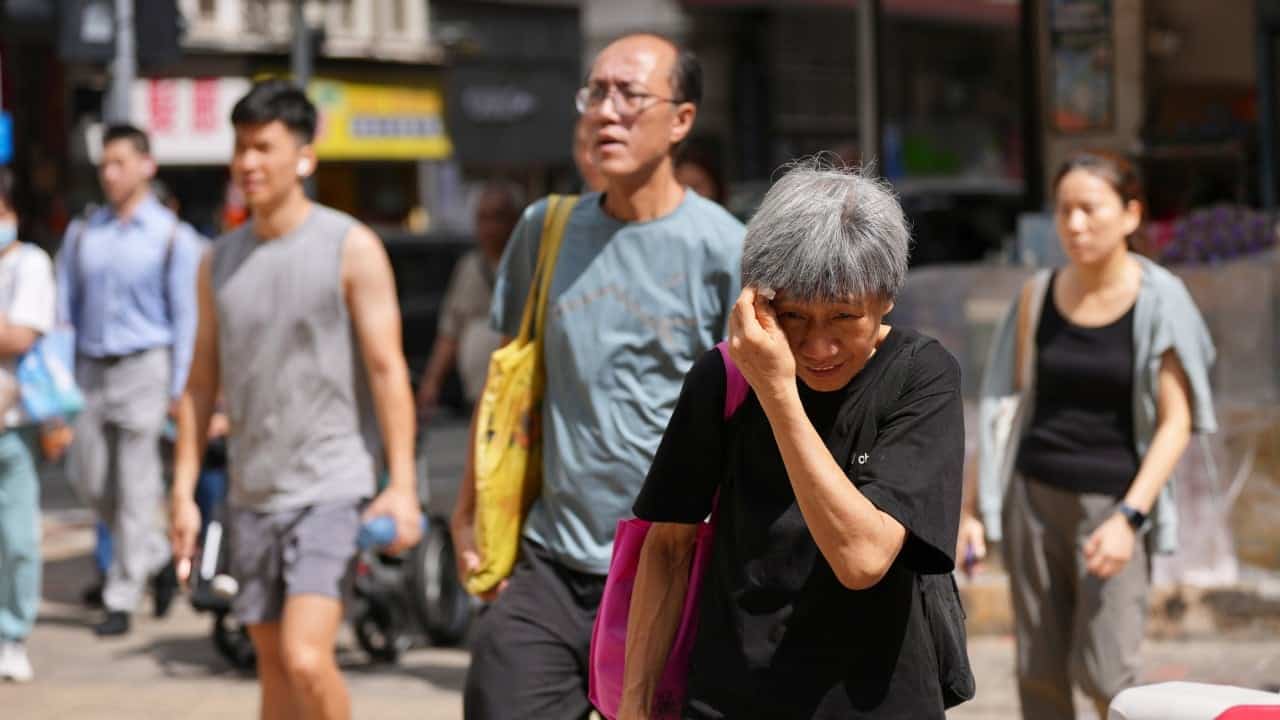
- Elderly residents in Hong Kong are disproportionately affected by rising temperatures.
- Many elderly residents live in inadequate housing with limited ventilation and few resources to keep cool.
- Hong Kong experienced its hottest Lunar New Year's Eve on record in February.
Environmentalists and academics have criticized Hong Kong's government for not including a systemic heat-health action plan in its first five-year plan and latest policy address. They argue that relying on "common sense" is insufficient to protect vulnerable residents from increasingly extreme temperatures.
New research from the University of Hong Kong (HKU) suggests that extreme heat may have been a factor in as many as 3,238 excess deaths in the city over the last decade. The study highlights that elderly residents, particularly those living in inadequate housing such as subdivided units or cage homes, are bearing the brunt of rising temperatures.
These living spaces often have limited ventilation and few resources to keep residents cool. For instance, 74-year-old Leung Chung-leung lives in a coffin-like compartment in Mong Kok, paying HK$2,500 per month for a space that barely fits a mattress. He relies on a fan and sometimes leaves his door open to catch cooler air from the corridor, spending more time in public parks during hot weather.
Hong Kong is experiencing a rapidly aging population, with over 20% of its residents aged 60 or older. The city recently recorded its hottest Lunar New Year's Eve since records began in 1884, with temperatures reaching 27.9 degrees Celsius, and experienced its warmest winter on record. Experts like David Bishai, a health economist at HKU, emphasize that older individuals, especially those with pre-existing health conditions or living alone without air conditioning, are particularly vulnerable and are not benefiting from a comprehensive heat health action plan.