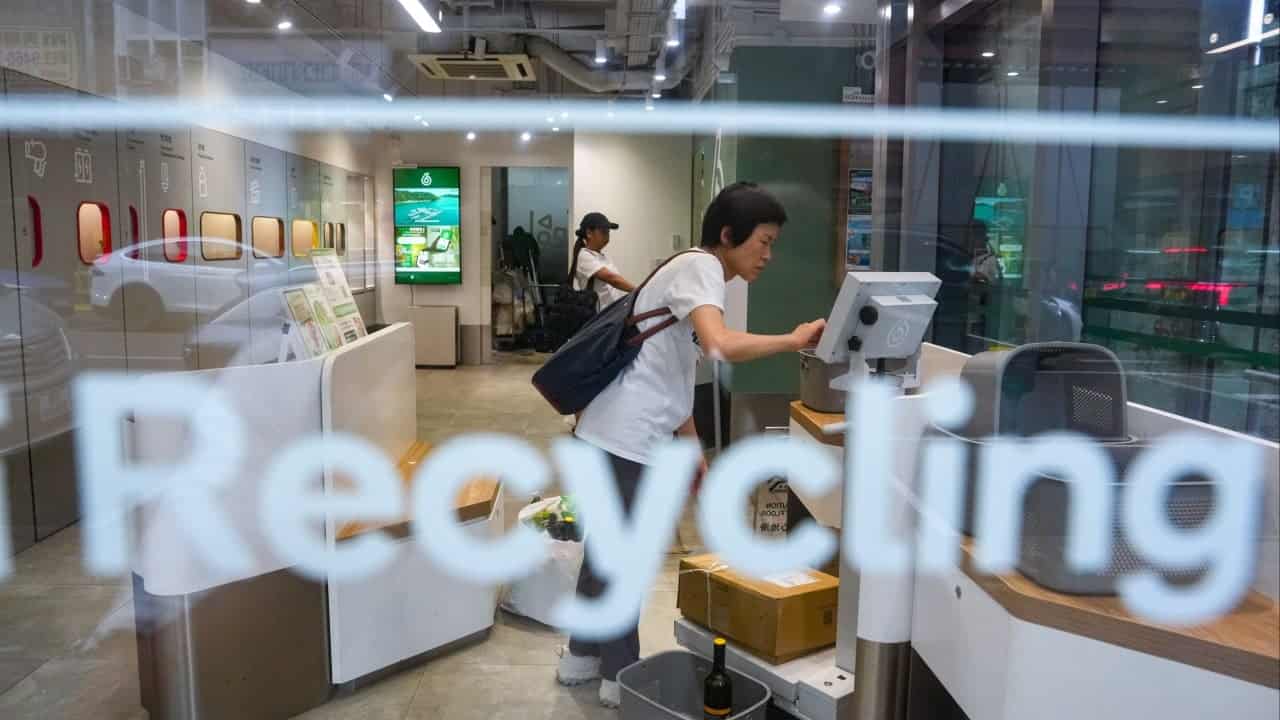
Key facts
- Hong Kong will strengthen its community recycling network.
- The waste-charging scheme has been shelved due to public backlash.
- Automated, round-the-clock collection points will be implemented.
- Permitted profit levels for power companies will be reviewed in 2033.
- Visits to the Green@Community recycling network increased 80% in 2024.
- Recyclables collected rose nearly 60% in 2024.
Hong Kong is set to bolster its community recycling infrastructure, including the introduction of 24-hour automated collection points, following the decision to scrap its waste-charging scheme due to significant public opposition. Secretary for Environment and Ecology Tse Chin-wan announced the enhanced recycling efforts on Saturday.
Tse also indicated that the government would examine the profit margins of the city's two power companies when their current agreements conclude in 2033, alongside plans to increase the use of clean energy. The shelving of the waste-charging initiative, originally planned for a year-long delay, came after authorities assessed various conditions necessary for its implementation.
According to data from 2024, the Green@Community recycling network saw an 80% increase in visits, and the amount of recyclables collected rose by nearly 60%. The city has installed 1,200 smart collection bins for food waste in housing estates, with a goal to reach 1,600 this year. Concurrently, the daily per capita disposal of municipal solid waste decreased from 1.44kg in 2023 to 1.4kg in 2024.
Proponents of waste charging, such as The Green Earth, have urged its relaunch, citing economic benefits observed in South Korea, where waste charging in 1995 led to a 24% reduction in waste volume and significant economic gains. A study by Our Hong Kong Foundation suggests that waste reduction in Hong Kong could generate a net benefit of HK$955.50 per tonne, with recycling yielding HK$125.60 per tonne, estimating an annual net benefit of HK$637.3 million from waste charging.