Key facts
- Bullrich said the votes are in place for the Senate to pass the reform on Thursday, November 26, 2026.
- The reform would suspend Argentina's mandatory open primaries for the 2027 election year.
- The Senate Constitutional Affairs Committee issued a majority opinion with 11 signatures; 10 were needed.
- The draft removes the article allowing collective lists, per Infobae.
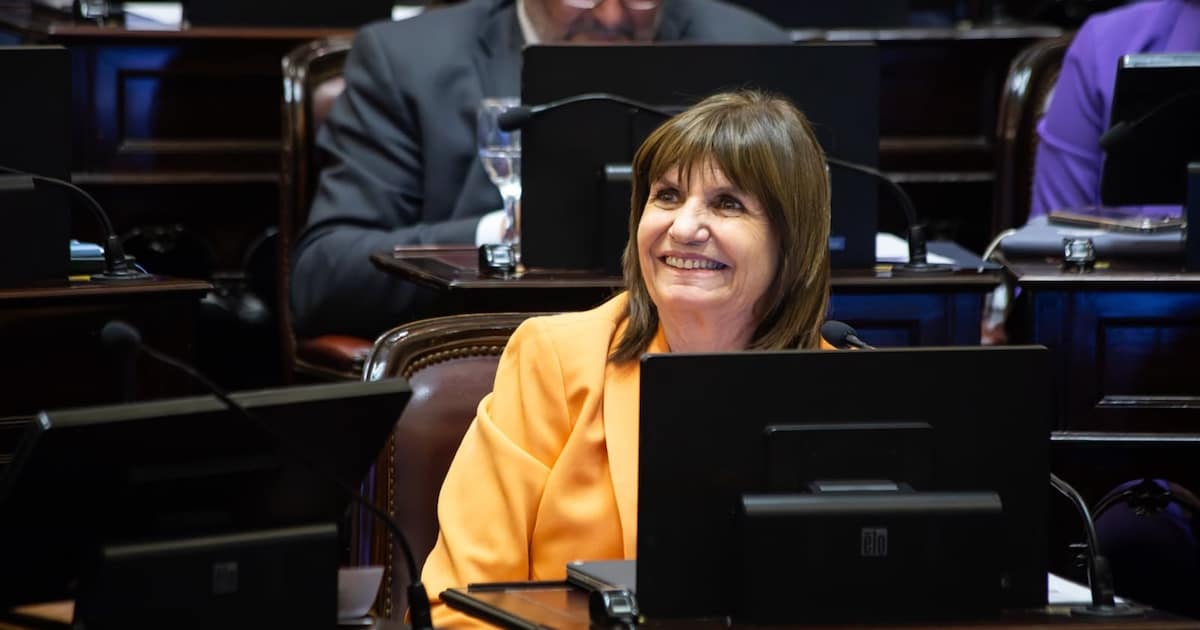
Patricia Bullrich, who leads the La Libertad Avanza bloc in Argentina's Senate, said on Tuesday, November 24, 2026, that the votes are in place for the chamber to approve the government's electoral reform on Thursday, November 26, 2026. She spoke in an interview with Bloomberg News, according to Infobae.
The reform would suspend the Primarias Abiertas, Simultaneas y Obligatorias (PASO), Argentina's mandatory open primaries, for the 2027 presidential election year. Infobae reported that the draft's transitional clauses of article 17 state that the primaries are suspended during 2027.
The initiative cleared the Senate's Constitutional Affairs Committee with a majority opinion signed by 11 senators, Infobae reported. The signatures included six from La Libertad Avanza, among them Bullrich, committee chair Agustin Coto, Maria Belen Monte de Oca, Nadia Marquez, Luis Juez and Ivanna Arrascaeta, plus radicals Eduardo Vischi and Rodolfo Suarez. Three senators signed in dissent: Flavio Fama partially, and Carlos Espinola and Alejandra Vigo simply. Ten signatures were needed.
Infobae reported that the final draft also removes the article that allowed collective lists, changes the Ficha Limpia eligibility regime, alters the distribution of free electoral advertising and modifies the election of Argentine representatives to the Mercosur Parliament and the organization of presidential debates.
Bullrich argued that the current calendar keeps the country in election mode for too long. "El pais vive en elecciones todo el tiempo, eso no esta bien," she said, adding that shortening one round means the national process would not begin until September. She said she would prefer a single national election day as in Brazil, noting that provinces split their own elections.