Key facts
- Durigan said the government's main goal is to regain investment-grade status from credit rating agencies.
- Durigan said the government would speed up economic measures for a challenging 2027 without accelerating spending.
- Durigan said he supports Brazil's 3% inflation target and that changing the goal was not on the table.
- Durigan said nominations to central bank board and regulatory agency vacancies could be resolved within two weeks.
- The Finance Ministry cut its 2027 growth forecast to 1.8% from 2.3% on November 23.
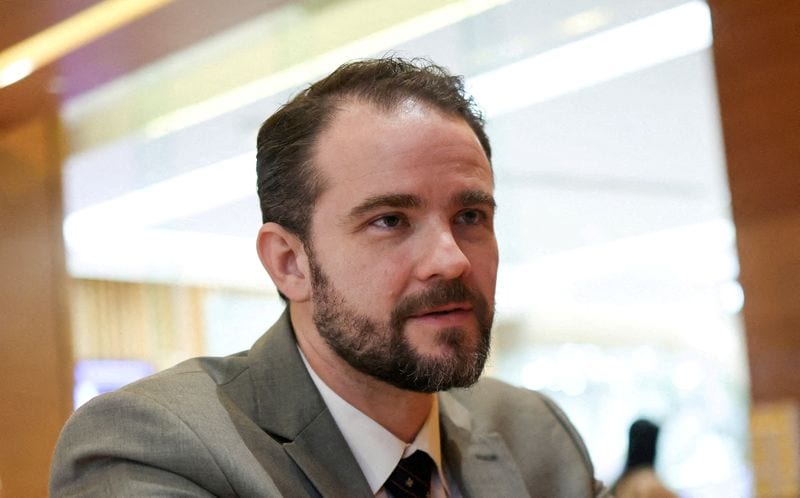
Brazil's government will pursue a primary surplus of between 1.5% and 2% of gross domestic product by the end of President Luiz Inacio Lula da Silva's next term, Finance Minister Dario Durigan said on November 23 at an event hosted by investment bank Itau BBA in Sao Paulo.
Durigan said the country's main goal was to regain investment-grade status from credit rating agencies, which Brazil lost more than a decade ago, while achieving robust fiscal surpluses. A primary surplus excludes interest payments on public debt.
Lula was reelected in October 2026 for a fourth non-consecutive term, which begins on January 5 and runs through early 2031. In its 2027 budget guidelines bill, the government projected a primary surplus of up to 1.5% of GDP in 2030, below the range Durigan set out.
Durigan said the government would speed up economic measures to tackle a challenging 2027, but stressed that this did not imply accelerating spending. The Finance Ministry lowered its forecast for Brazil's economic growth next year to 1.8% from a previous 2.3% on November 23.
Durigan said he supports Brazil's 3% inflation target and that changing the goal was not on the table. Nominations to fill vacancies on the central bank board and at regulatory agencies, including antitrust body CADE and securities regulator CVM, could be resolved within two weeks, he said.