Key facts
- Six opposition parties in Japan's Senate agreed to submit a censure motion against education minister Yoshihiro Seki.
- The censure motion is not legally binding, but opposition forces may refuse Diet deliberations involving Seki.
- Democratic Party for the People leader Yuichiro Tamaki said on November 22 that Seki should decide whether to resign.
- Seki said he intends to fulfill his responsibilities with renewed discipline.
- The current extraordinary parliamentary session, convened in October, is scheduled to end on December 12.
- The government aims to reduce the consumption tax rate on food and beverages for two years starting in April.
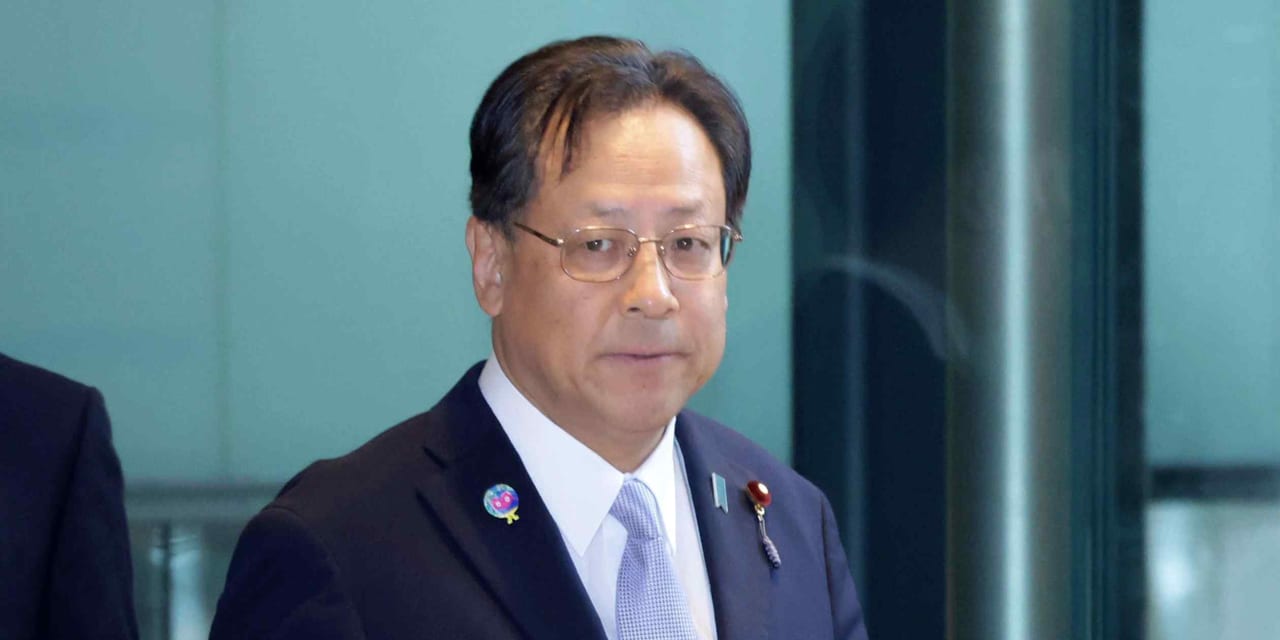
Senior parliamentary affairs officials from six opposition parties in Japan's Senate agreed on November 24 to submit a censure motion against education minister Yoshihiro Seki over a fundraising row involving bureaucrats, lawmakers said.
The move follows revelations that senior bureaucrats gave presentations to businesspeople at Seki's fundraising parties. Seki has been criticized for blurring the line between official government duties and political fundraising.
On November 22, Yuichiro Tamaki, leader of the major opposition Democratic Party for the People, said Seki should decide whether to resign to avoid disrupting parliamentary deliberations, urging Prime Minister Sanae Takaichi to make a "political decision."
A censure motion is not legally binding, but opposition forces are likely to refuse to take part in Diet deliberations involving Seki, potentially affecting the key consumption tax cut bill, sources close to the matter said.
Takaichi's government aims to reduce the consumption tax rate on food and beverages for two years starting in April. The current extraordinary parliamentary session, which convened in October, is scheduled to end on December 12.
At a press conference on November 24, Seki expressed his eagerness to stay on, saying, "I intend to fulfill my responsibilities by dedicating myself fully to my official duties with renewed discipline."