Key facts
- Seki has denied any intention of stepping down and said there was no legal problem with the presentations.
- The admission fee for the March 2024 party was 90,000 yen ($570), per Seki's account to the Senate committee.
- The ruling coalition of the LDP and Japan Innovation Party is a minority in the upper house.
- A censure motion is not legally binding but opposition parties may refuse to take part in deliberations involving Seki.
- The ruling camp aims to enact a consumption tax cut bill for food and beverages during the Diet session through December 12.
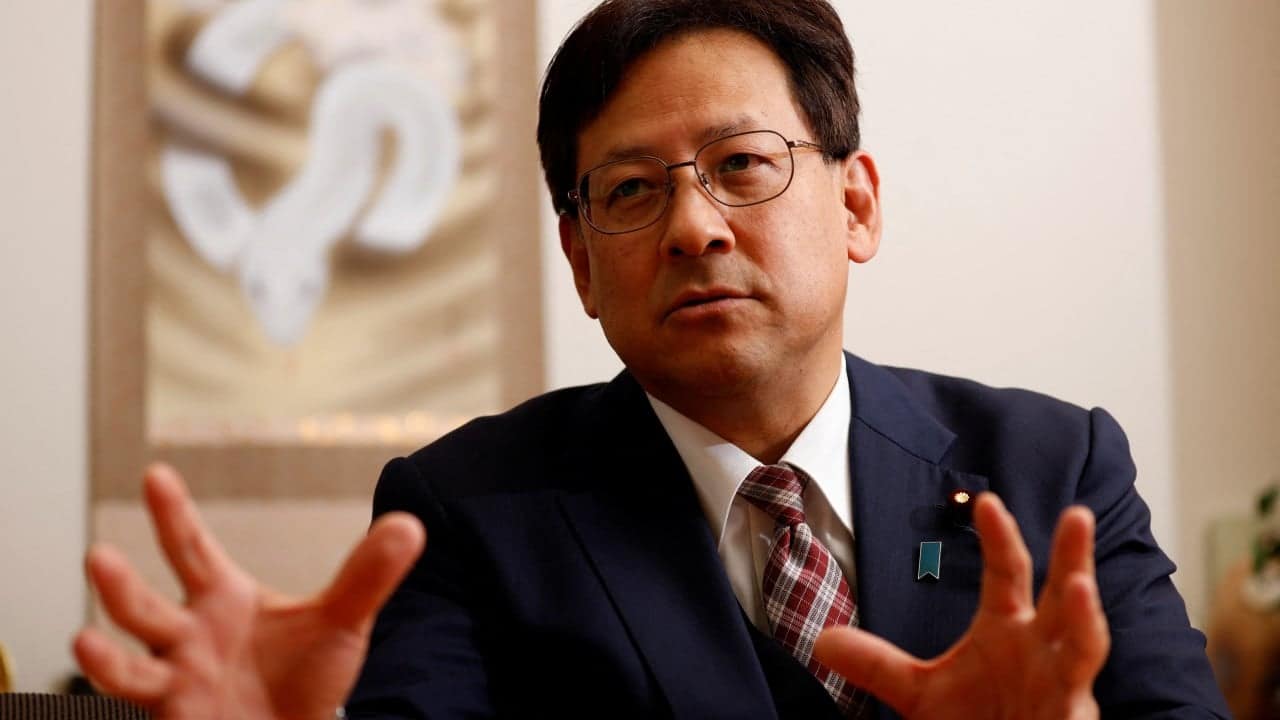
Calls grew on November 22, 2026, for Education Minister Yoshihiro Seki to step down over revelations that senior bureaucrats had given presentations to businesspeople at his fundraising parties. Yuichiro Tamaki, leader of the major opposition Democratic Party for the People, said Seki, who assumed his post in a Cabinet reshuffle in September, should face a censure motion in the Senate.
Critics say Seki's events blurred the line between official government duties and political fundraising. Seki told a press conference on November 20 that he would renew his commitment and do his utmost to fulfill his responsibilities, while saying there was "no legal problem" with providing general explanations to businesses even when a ministry and a company had a stake. He has so far denied any intention of stepping down.
Seki initially admitted that senior government officials from the industrial and health ministries were invited to his political fundraising parties in 2024 as guest lecturers. Representatives of pharmaceutical companies and businesses from other industries attended both events, and the admission fee was 90,000 yen ($570). On November 20, Seki revealed three more cases dating to 2024, with officials from the Cabinet Office and the Japan Fair Trade Commission found to have attended his parties.
Junya Ogawa, head of the opposition Democratic Reform Party, criticized Seki, saying his actions had "seriously undermined public trust in government and politics" and made him "unfit to serve" as a minister. Several opposition parties, including the Constitutional Democratic Party of Japan and the Democratic Party for the People, have been considering their responses, including a possible submission of a censure motion against Seki in the Senate.
The ruling coalition of the LDP and its junior partner, the Japan Innovation Party, remains a minority in the upper house, although it holds an overwhelming majority in the House of Representatives. A senior LDP member said a censure motion would likely pass the Senate if opposition parties were to submit one, calling for "swift action" and suggesting that Seki be replaced as soon as possible.
A censure motion is not legally binding even if passed, but opposition forces are likely to refuse to take part in parliamentary deliberations involving Seki, which would inevitably affect the tax-cut bill, the sources said. The ruling camp aims for the legislation's enactment during the ongoing Diet session through December 12. Takaichi is expected to carefully assess the opposition's next move before making a decision, the sources said.
If Seki steps down, he would be the second minister to resign under Takaichi's Cabinet, which was reshuffled in mid-September, after former farm minister Kazuo Yana who was effectively forced out last month. In the Cabinet reshuffle, Seki and Yana became the first LDP lawmakers to be appointed ministers after being disciplined by the party over a high-profile political slush fund scandal revealed in late 2023.