Key facts
- Howard Buffett has been appointed chairman of Berkshire Hathaway, succeeding his father.
- Warren Buffett stepped down as chairman and will become chairman emeritus.
- Greg Abel continues as CEO overseeing company operations.
- Howard Buffett has served as a director of Berkshire Hathaway for 33 years.
- Howard Buffett's new role as chairman is non-executive and focused on preserving Berkshire's culture.
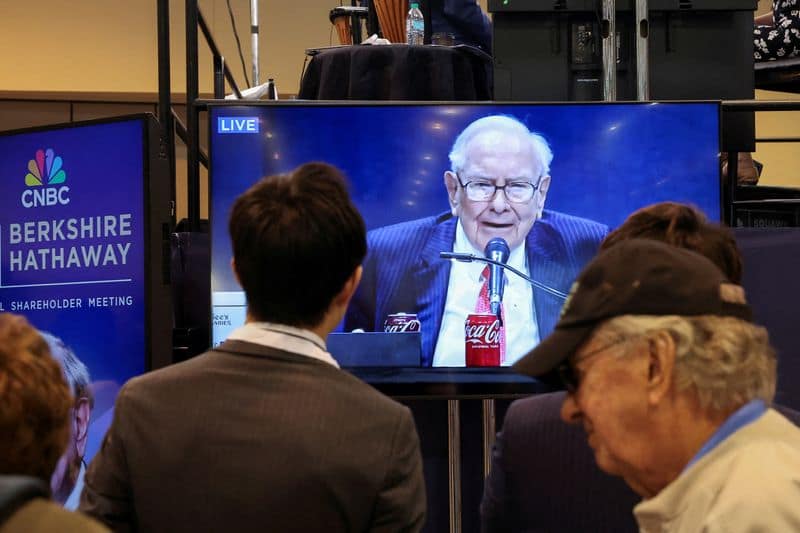
Howard Buffett has been appointed chairman of Berkshire Hathaway, succeeding his father, Warren Buffett, who will assume the title of chairman emeritus. The transition marks a significant leadership change at the approximately $1.1 trillion conglomerate, nine months after Warren Buffett handed over the CEO reins to Greg Abel.
Howard Buffett, 71, has been a director of Berkshire Hathaway for 33 years and his appointment as non-executive chairman is part of a long-standing succession plan. In his new role, he will focus on preserving Berkshire's culture, which he described as keeping things simple, treating people fairly, respecting managers and shareholders, and being upfront with bad news.
Warren Buffett, 96, stepped down as chairman, ending his management role at the company he took over in 1965. Greg Abel, 64, has largely followed Buffett's playbook since becoming CEO in January and has exceeded expectations, according to Warren Buffett. The company had near-record $364.7 billion of cash as of June 30, giving Abel freedom to buy more companies and stocks, repurchase shares, and perhaps institute a dividend.
Howard Buffett, who has never led a public company, sees his role as more focused than his father's, emphasizing simplicity, fairness, and honesty. However, CFRA Research analyst Cathy Seifert noted his lack of day-to-day management experience as a shortcoming in the succession plan. Despite this, Berkshire's board includes several experienced directors who can provide guidance.