Key facts
- Asia requires $1 trillion annually in energy investments through 2040.
- Asia will account for 70% of global net energy demand growth through 2040.
- Coal remains dominant, supplying over 50% of Asia's electricity.
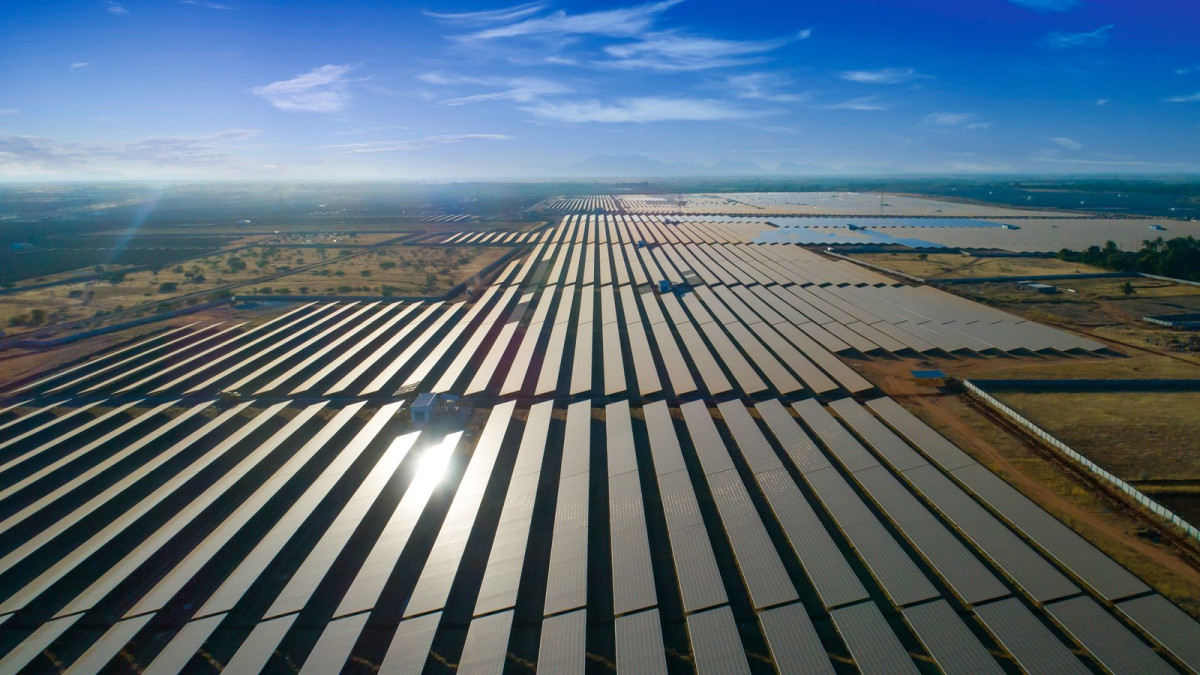
- Solar is now Asia's third-largest power source, surpassing gas.
- Biofuels could replace $90-$100 billion in Asian fuel imports by 2040.
Asia is emerging as the world's next major energy market, driven by a confluence of factors including growing demand, a push for energy security, and the accelerating transition to sustainable sources. McKinsey projects that the region will require $1 trillion annually in energy investments over the next 15 years and will account for approximately 70% of global net energy demand growth through 2040. Despite the global energy transition, coal is expected to remain a dominant fuel in Asia's energy mix longer than previously anticipated, particularly in India and Southeast Asia, due to rising electricity and industrial needs. Coal currently constitutes about 47% of Asia's total primary energy mix and over 50% of its electricity generation. However, renewable energy sources like solar and wind are becoming increasingly cost-competitive, with solar PV being the lowest-cost power option in most Asian markets. Utility-scale solar costs have dropped significantly, and renewable energy is projected to be a third cheaper than conventional coal by 2030. Battery energy storage systems have also seen substantial price declines, making solar-plus-storage and wind-plus-storage viable alternatives. Biofuels also present a significant opportunity, with the potential to replace $90 billion to $100 billion in fuel imports by 2040. India is advancing its ethanol blending program, while Indonesia is aggressively implementing its B50 palm oil biodiesel mandate, aiming to reduce fuel import bills and carbon emissions.