Key facts
- LNG Canada's Phase 2 expansion will double its capacity to 28 million tons per annum.
- Canada aims to export 33 mtpa of LNG by the end of the decade.
- Asian LNG demand is projected to double to 500 mtpa by 2060.
- Cargoes from British Columbia reach Tokyo in 8-9 days, compared to 16-18 days from the U.S. Gulf Coast.
- US LNG shipments to Asia increased by 108% in the first half of 2026 compared to the same period in 2025.
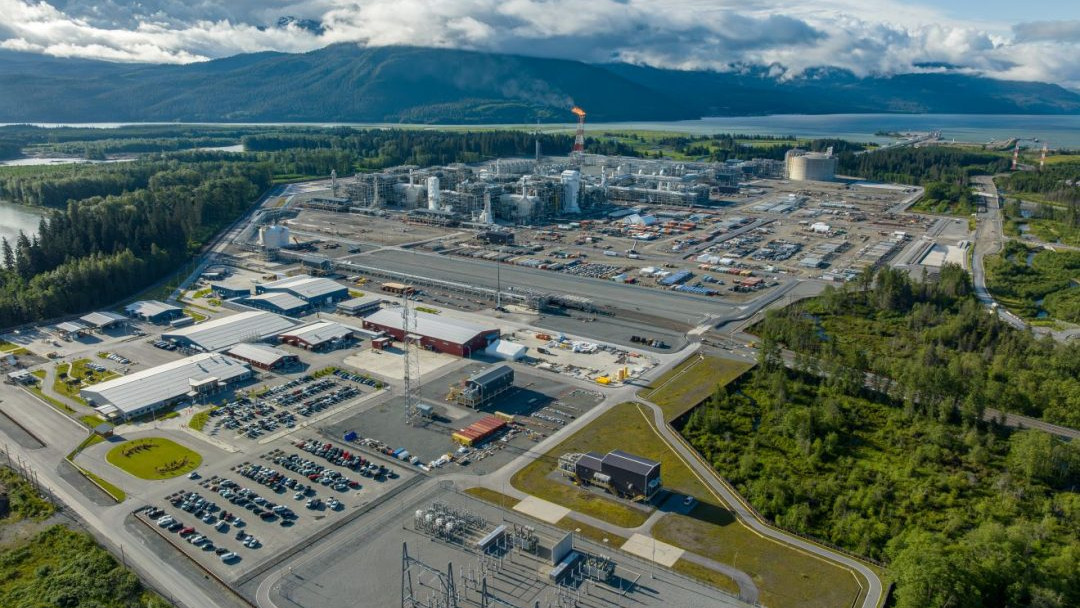
Shell, alongside PETRONAS, PetroChina, Mitsubishi Corporation and KOGAS, has approved the Final Investment Decision for the LNG Canada Phase 2 expansion project. This move will double the facility's capacity to 28 million tons per annum, positioning Canada as a significant long-term supplier to Asian markets. With other projects like Cedar LNG and Woodfibre under construction, Canada's total LNG export capacity is expected to reach 33 mtpa by the end of the decade.
Wood Mackenzie highlights Canada's advantages, including its vast resource scale, proximity to Asia, and shorter Pacific shipping routes, which offer an alternative to Middle Eastern chokepoints. Cargoes from Kitimat, British Columbia, can reach Tokyo in 8-9 days, significantly faster than shipments from the U.S. Gulf Coast. This has already led to a substantial increase in U.S. LNG shipments to Asia in the first half of 2026.
The Coastal GasLink pipeline will deliver 2.1 billion cubic feet per day of natural gas to the LNG Canada terminal, providing a cost advantage over U.S. Gulf Coast infrastructure. Furthermore, Canadian LNG can be cleaner, with projects like Cedar LNG designed to run on renewable hydroelectricity. However, Wood Mackenzie cautions that Canada faces intense global competition and a narrowing window to secure market share, as numerous projects in the U.S., Africa, Latin America, and Australia are also progressing rapidly.