Key facts
- Sweden's center-left opposition bloc holds a narrow lead in polls ahead of Sunday's parliamentary election.
- The left-leaning parties have a combined 50.8% backing, estimated to give them 180 seats.
- The ruling right-wing bloc and its Sweden Democrats support party stand at 47.6%, or 169 seats.
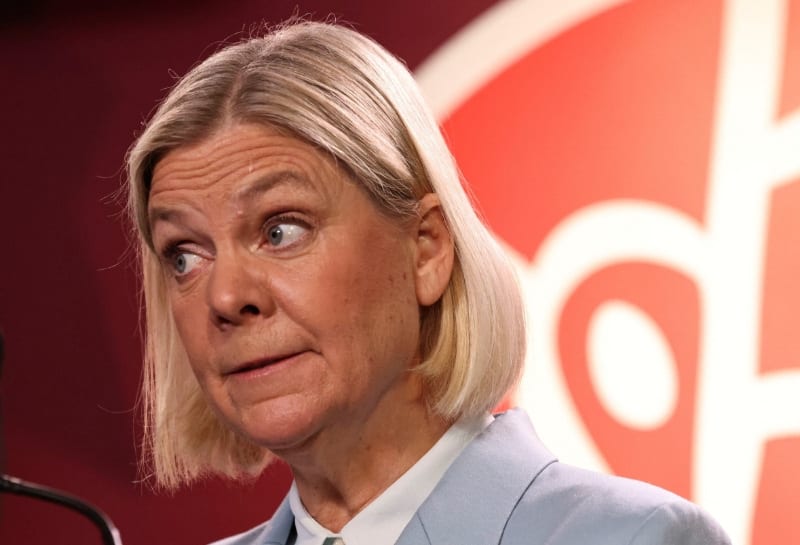
- Social Democrats leader Magdalena Andersson is favored to become prime minister again.
- The Sweden Democrats may join the government for the first time if the right-wing bloc wins.
- Internal divisions exist within the center-left bloc regarding party inclusion in a potential government.
Sweden's center-left opposition bloc was polling just ahead of the ruling right-wing bloc ahead of Sunday's parliamentary election, indicating a tight race. Social Democrats leader Magdalena Andersson is favored to become prime minister again, potentially replacing Ulf Kristersson of the center-right Moderates.
Across Europe, far-right parties have seen a rise in support, but in Sweden, the Sweden Democrats, which has apologized for its past links with neo-Nazism, may join the government for the first time if Kristersson's bloc wins.
Andersson's bloc, which has pledged higher public spending, has maintained a majority in polls this year, though the race has tightened recently. The four left-leaning parties had a combined 50.8% backing, estimated to give them 180 seats, while the government and its far-right support party stood at 47.6%, or 169 seats, according to a survey of 5,642 voters conducted by Indikator Opinion.
However, the center-left remains divided over which parties should be included in a government headed by the Social Democrats, with the Centre Party and the Left Party ruling out taking part if the other is included. These parties also differ on key policies such as a tax on billionaires and whether Sweden should build new nuclear reactors. This could lead to lengthy negotiations and the formation of a minority government if the left wins.
Both rival blocs support Ukraine in its fight against Russia's invasion, as well as military rearmament and relief for households facing rising living costs. Experts noted that while the campaign focused on issues like the welfare state, immigration, and crime, no single dominant issue emerged.