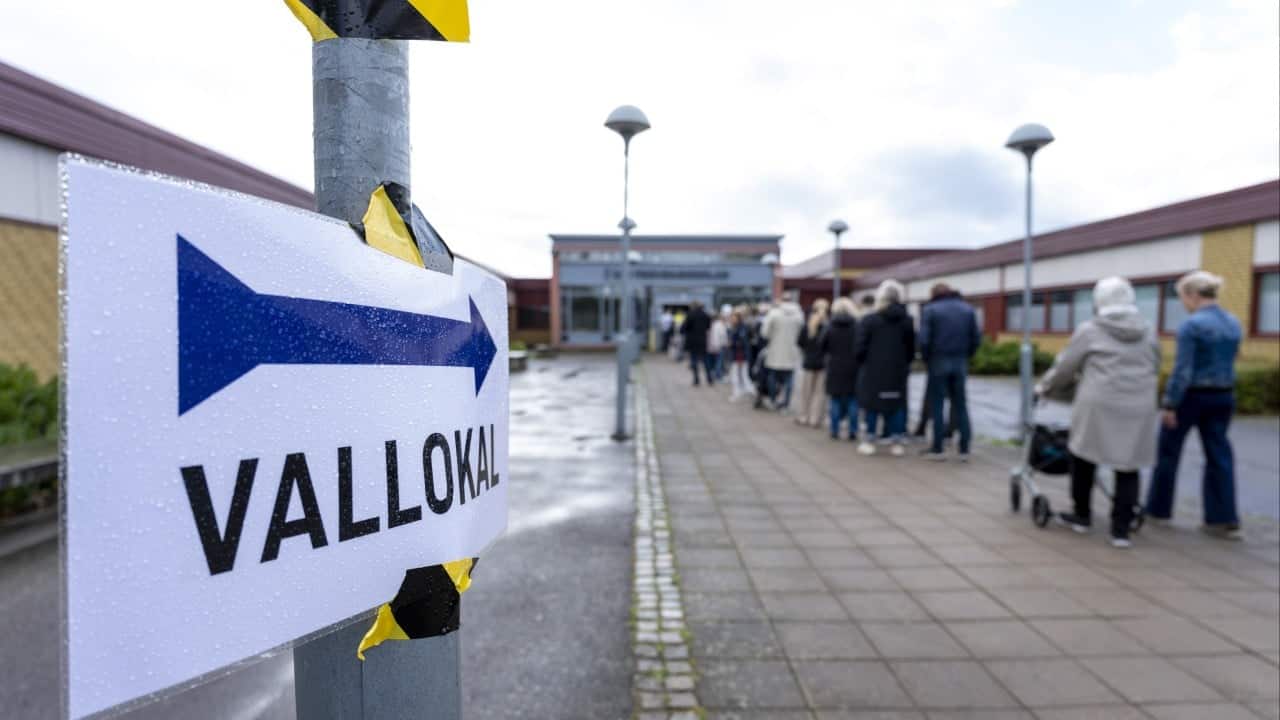
Key facts
- Sweden's general election on Sunday did not produce a clear winner.
- The centre-left opposition bloc is projected to win 176 seats, while the right-wing governing bloc is projected to win 173 seats in the 349-seat Riksdag.
- The Social Democrats emerged as the largest party.
- The Sweden Democrats saw increased support.
- A tougher stance on China is anticipated regardless of the government's makeup.
Sweden's general election on Sunday concluded without a clear victor, leaving the country in a state of political uncertainty. The two main blocs, the left and the right, are in a near-tie, with the Social Democrats emerging as the largest single party. The Sweden Democrats also saw an increase in their support.
With only 1.3% of districts left to count, parties led by opposition leader Magdalena Andersson of the Social Democrats looked set to win 176 seats in the 349-seat Riksdag, signalling a change of government. Prime Minister Ulf Kristersson's right-wing governing bloc, which includes the far-right Sweden Democrats, was on track to win 173 seats, according to data from Sweden's election authority.
The election, while unlikely to change the course of Sweden's pro-Western and pro-Ukraine stance, could decide whether Kristersson's push toward a hard-right clampdown on migration continues or even accelerates. Many voters on the right say a win would amount to an endorsement of policies that have helped to curb gang violence and cut immigration dramatically.