Key facts
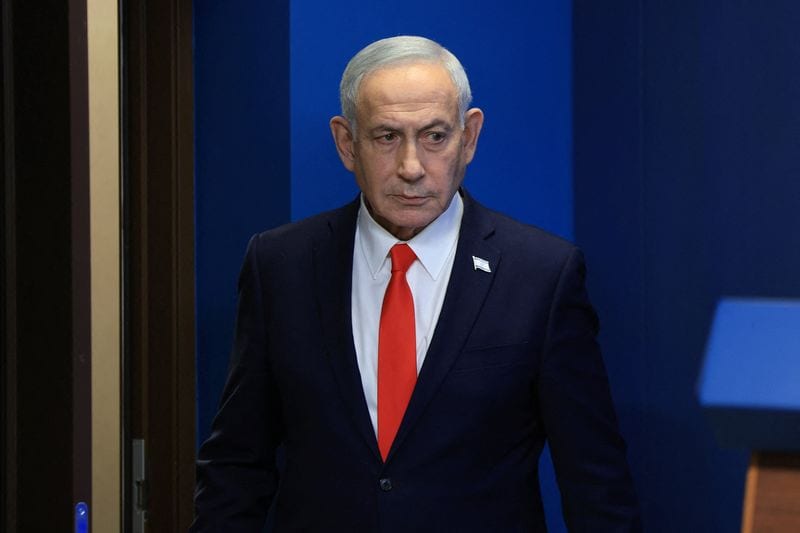
- Benjamin Netanyahu visited occupied southern Lebanon.
- Netanyahu stated Israel will not withdraw until the Hezbollah threat is removed.
- A U.S.-mediated security agreement involves Israel handing over two areas to the Lebanese army.
- A study warns Hezbollah's explosive drones pose a significant threat to Israel's defense systems.
- Hezbollah's drones are inspired by tactics used in the Ukraine war.
- Bezalel Smotrich called for Jewish settlements in Gaza.
- Smotrich stated Israeli military controls approximately 70% of Gaza.
- Preparations for three settlements in Gaza are complete.
- Israel is reportedly shifting strategic focus to Turkey, viewing it as an existential enemy.
- Turkiye and Arab nations condemned Israeli attacks in Syria.
- Hundreds of thousands of Lebanese displaced by conflict have returned home.
- Many Lebanese remain displaced due to destroyed or uninhabitable homes.
Israeli Prime Minister Benjamin Netanyahu made a visit to southern Lebanon, a territory described as occupied, stating that Israel will not withdraw as long as the Iran-backed Hezbollah group poses a threat. This visit follows a security agreement mediated by the U.S. that involves Israel handing over two areas to the Lebanese army. Concurrently, a study from Reichman University's Institute for Counter-Terrorism Policy highlights a significant threat to Israel's defense systems from Hezbollah's growing deployment of explosive drones. These low-cost, difficult-to-detect drones, influenced by tactics seen in the Ukraine war, are proving challenging for existing Israeli countermeasures.
Further complicating the regional landscape, Israeli Finance Minister Bezalel Smotrich has publicly called for the re-establishment of Jewish settlements in the Gaza Strip. Smotrich stated that Israeli military forces currently control approximately 70% of Gaza and indicated that preparations for three settlements are finalized, awaiting government approval. Reports also suggest Israel is reorienting its strategic priorities, now targeting Turkey and viewing it as an existential enemy, aligning it with a new 'Sunni axis' that includes Syria and Qatar. This strategic shift occurs amidst regional instability fueled by conflicting U.S.-brokered deals involving Iran and Lebanon.
In response to ongoing violence, Hamas has denounced what it terms 'international silence' following an Israeli airstrike in Gaza that resulted in the death of a Palestinian girl and other casualties. The group criticized Arab governments and the Palestinian Authority for their perceived inaction. Simultaneously, hundreds of thousands of Lebanese citizens displaced by conflict have begun returning to southern Lebanon, prompted by a temporary cessation of hostilities between Israel and Hezbollah. However, a substantial number of displaced individuals remain unable to return due to homes being destroyed or rendered uninhabitable, with authorities still assessing the full extent of the displacement.
Adding to the international condemnation, Turkiye and several Arab nations, including Saudi Arabia, Qatar, Kuwait, and the UAE, have voiced strong disapproval of Israel's recent incursions and attacks within Syria's southern provinces. These actions are characterized as violations of Syrian sovereignty and international law, with concerns that they could escalate regional instability. In a related development, the UAE has announced the lifting of its ban on citizens traveling to Lebanon, effective June 29, 2026. This ban, initially imposed in April due to regional developments and the Middle East war, was also influenced by concerns over Iran's regional influence.