Key facts
- Hezbollah's growing use of explosive drones poses a significant threat to Israel's defense systems.
- Small, low-cost drones, particularly fiber-optic FPV drones, are difficult to detect and intercept.
- The drones are inspired by asymmetric warfare tactics seen in the Russia-Ukraine war.
- At least 12 Israeli soldiers have been killed by Hezbollah drones since March.
- Israel is deploying mesh netting and providing soldiers with shotguns as countermeasures.
- The IDF is seeking technological solutions from private companies to counter the drone threat.
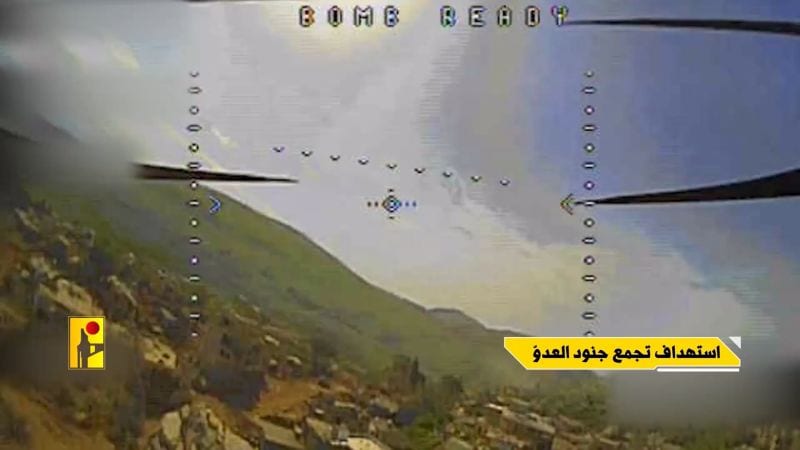
Hezbollah's increasing deployment of explosive drones presents a significant challenge to Israel's defense capabilities, potentially overwhelming existing systems, according to a study by Reichman University's Institute for Counter-Terrorism Policy. The report highlights that these small, low-cost drones, inspired by tactics used in the Russia-Ukraine war, are difficult to detect, jam, or intercept due to their low-altitude flight, swarm potential, and fiber-optic guidance systems.
The study warns that Israel's current air defense infrastructure is no longer sufficient to counter this evolving threat. The fiber-optic, first-person view (FPV) drones used by Hezbollah are particularly effective because they tether to their pilot via a spool of cable, emitting no radio signals and thus bypassing electronic warfare countermeasures. These drones have been responsible for at least 12 Israeli soldier fatalities since March, representing one-third of Israeli casualties in Lebanon.
In response, the Israel Defense Forces (IDF) is implementing measures such as deploying hundreds of thousands of square meters of mesh netting to protect vehicles and bases. Soldiers have also been equipped with shotguns and fragmenting rounds for close-range engagement. The IDF is actively seeking technological solutions from private companies, including those developing non-radio frequency sensors and advanced interception systems. Companies like Airwayz are working on software to manage low-altitude airspace and identify threats, aiming to provide soldiers with crucial early warnings.