HomeEverythingEducationTV
FeedNewsletter
Equities & FundsCrypto & Digital AssetsAI & TechnologyBusiness & CorporateUS Politics & PolicyGeopolitics & Global RiskMacro, Rates & FXCommodities & EnergyEuropean Politics & MarketsAsia-PacificReal Estate & Property
Story archiveAll categories
Equities & FundsCrypto & Digital AssetsAI & TechnologyBusiness & CorporateUS Politics & PolicyGeopolitics & Global RiskMacro, Rates & FXCommodities & EnergyEuropean Politics & MarketsAsia-PacificReal Estate & Property

Macro, Rates & FX news from the last 24 hours, AI-curated by PiQ Markets

15stories8themes5:20:50next refreshWINDOW6h12h24h
VersionLatest · just now0

Get the newsletter.

Pick the topics you actually care about. We'll email when there's news worth your time, on the cadence you choose. Cancel any time from your account.

Cadence
Themes
01·Theme

Eurozone inflation at 2.8% may prompt ECB pause

Inflation rates are showing signs of cooling across major economies, offering potential relief from rising prices. In the Eurozone, inflation dropped to 2.8% in June, potentially leading the European Central Bank to pause interest rate hikes. Similarly, U.S. inflation slowed, with the Consumer Price Index rising 3.5% annually, partly due to a temporary dip in oil prices. Canada also saw its annual inflation rate fall to 2.8% on cheaper fuel, while German producer prices rose 1.8% year-on-year, below expectations. Despite these positive signs, a recent rebound in energy costs could hinder further inflation reduction.

Stories in this theme
  • Inflation Slowed in June Amidst Iran Conflict Pause
  • Canada's annual inflation rate cools below forecast on cheaper fuel
  • ECB survey: Firms expect moderating wage and price growth
5 stories totalFull theme on PiQMarkets →
02·Theme

Oil, Yields Rise, Dampening AI Stock Optimism Ahead of Earnings

Oil prices and Treasury yields are rising, impacting investor sentiment ahead of a key week for tech earnings. Brent crude briefly surpassed $90 a barrel, driven by escalating Middle East tensions and conflict in the Gulf. This surge in oil and gas prices is reviving inflation concerns and putting pressure on bond and stock markets. Investors are now bracing for major tech company earnings reports, which will test the sustainability of the AI stock trade amid high valuations and potential Federal Reserve rate hikes.

Stories in this theme
  • Oil, Gas Surge Fuels Inflation Fears, Rattles Bonds Ahead of Tech Earnings
  • Oil, Yields Rise, Dampening AI Stock Optimism Ahead of Earnings
  • Dollar Firms, Brent Crude Tops $90 Amid Middle East Tensions
3 stories totalFull theme on PiQMarkets →
03·Theme

UK borrowing costs surge after PM Burnham signals fiscal flexibility

UK government borrowing costs rose sharply after Prime Minister Andy Burnham indicated plans to increase government borrowing using existing fiscal rule flexibility. The 10-year gilt yield climbed above 5%, and sterling declined against the dollar.

Stories in this theme
  • UK borrowing costs surge after PM Burnham signals fiscal flexibility
  • Dollar gains on US-Iran conflict; UK PM Burnham assures Trump on Hormuz security
2 stories totalFull theme on PiQMarkets →
04·Theme

Extreme heat saps India's poorest workers' wages and health, research finds

Extreme heat is significantly impacting the wages and health of India's poorest workers, according to research by the International Institute for Environment and Development (IIED). The study found that some workers experienced income losses of up to 9% in 2024 due to heat-related disruptions. The IIED describes heat as a "poverty multiplier," exacerbating existing economic vulnerabilities through lost workdays, decreased productivity, and the onset of long-term health problems.

Story in this theme
  • Extreme heat saps India's poorest workers' wages and health, research finds
1 story totalFull theme on PiQMarkets →
05·Theme

West Bank banks overwhelmed by excess Israeli shekels amid Israeli restrictions

Palestinian banks in the West Bank face a significant challenge with an oversupply of Israeli shekels, stemming from Israeli restrictions on currency repatriation. This excess liquidity is disrupting daily financial operations and negatively affecting the West Bank's economy. The situation highlights the complex financial interdependencies and restrictions impacting Palestinian financial institutions.

Story in this theme
  • West Bank banks overwhelmed by excess Israeli shekels amid Israeli restrictions
1 story totalFull theme on PiQMarkets →
06·Theme

South Korea's central bank to test live CBDC transactions with nine banks in September

South Korea's central bank is advancing its central bank digital currency (CBDC) pilot program, with the second phase set to begin in September. This phase will involve real-transaction testing with nine major commercial banks. The initiative aims to explore the technical feasibility and potential applications of a digital won, paving the way for possible future commercialization.

Story in this theme
  • South Korea's central bank to test live CBDC transactions with nine banks in September
1 story totalFull theme on PiQMarkets →
07·Theme

NY Fed survey: US credit application rate hits nearly five-year high

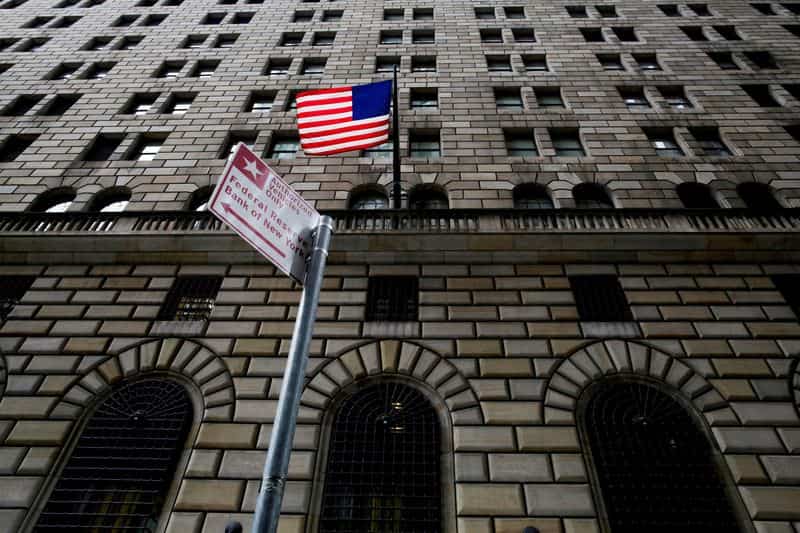
Americans applied for new credit at the highest rate in nearly five years as of June, according to the Federal Reserve Bank of New York's Survey of Consumer Expectations. The survey also indicated an increased likelihood of consumers needing to borrow $2,000 for unexpected expenses. This suggests a growing demand for credit, potentially driven by rising costs or a perceived increase in financial emergencies.

Story in this theme
  • NY Fed survey: US credit application rate hits nearly five-year high
1 story totalFull theme on PiQMarkets →
08·Theme

US banks show little risk shift after eSLR relief

Major U.S. banks expanded their risk exposures across most categories in the first quarter of 2026, indicating minimal shift towards lower-risk assets. This trend persisted even as seven of the eight U.S. global systemically important banks (G-Sibs) adopted the revised enhanced supplementary leverage ratio (eSLR) framework ahead of the official deadline. The data suggests that the early adoption of the eSLR did not significantly alter banks' asset allocation strategies regarding risk.

Story in this theme
  • US banks show little risk shift after eSLR relief
1 story totalFull theme on PiQMarkets →

Get the newsletter.

Pick the topics you actually care about. We'll email when there's news worth your time, on the cadence you choose. Cancel any time from your account.

Cadence