Key facts
- Approximately 400,000 displaced Lebanese have returned to southern Lebanon.
- Around 1 million people were forced to flee their homes due to the conflict.
- Nearly 90,000 housing units have been destroyed or partially damaged.
- The number of people in collective shelters has fallen from 37,000 to about 13,000.
- Lebanon requires billions of dollars for reconstruction, a sum it currently lacks.
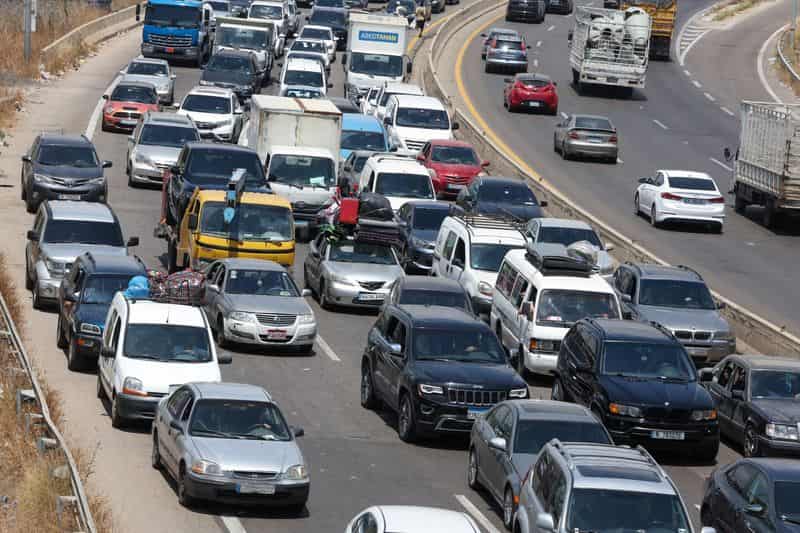
Hundreds of thousands of Lebanese displaced by the ongoing conflict between Israel and Hezbollah have begun returning to southern Lebanon, encouraged by a recent lull in fighting. A government minister stated that approximately 400,000 individuals have returned, with more expected in the coming week. This represents about 40% of the roughly 1 million people who were forced to flee their homes since March.
The number of people residing in collective shelters has sharply decreased from a peak of 37,000 to around 13,000. While some shelters will remain open, aid programs, including emergency cash support, will continue. The minister noted that these headline figures mask a significant gap, as many displaced individuals cannot return because their homes are destroyed or uninhabitable.
Authorities anticipate further returns in the coming days and hope to have a clearer picture within a week regarding how many families are permanently unable to go back. For those returning, life is far from normal, with many finding damaged houses, scarce electricity and water, and destroyed businesses. The government is working to restore basic services and expand assistance programs.
Despite the hardships, many Lebanese are choosing to return due to their strong attachment to their land. The government estimates that rebuilding damaged homes and infrastructure will cost billions of dollars, funding that is not currently available. Nearly 90,000 housing units have been totally or partially destroyed in the recent conflict.