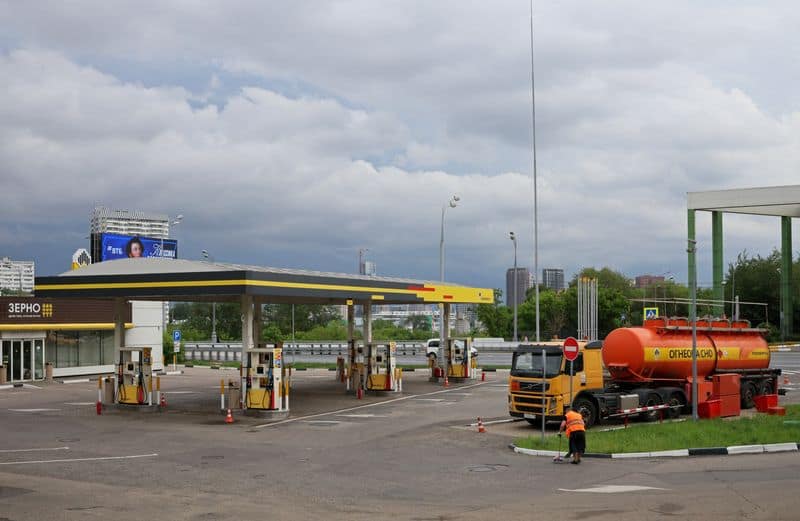
Key facts
- Ukraine has conducted drone attacks on Russian energy infrastructure.
- These attacks have caused severe fuel shortages in Russia.
- Neighboring Central Asian nations have also been affected by the fuel shortages.
- Russia has permitted oil refineries to produce lower-quality Euro-3 gasoline.
- This allowance for lower-grade gasoline production is in effect through the end of the year.
- Euro-3 gasoline has a higher sulfur content.
- The production of Euro-3 gasoline increases pollution risks.
- Demand for electric vehicles has increased within Russia.
- Security measures have been implemented at gas stations in resort towns.
Ukrainian drone attacks on Russian energy infrastructure have resulted in significant fuel shortages throughout Russia and have also impacted neighboring Central Asian nations. The ongoing attacks have disrupted the supply of gasoline, leading to a domestic crisis. In an effort to stabilize the fuel supply, Russia has authorized oil refineries to produce lower-quality Euro-3 gasoline. This measure will be in effect through the end of the year. The production of Euro-3 gasoline allows for a higher sulfur content compared to higher-grade fuels, which consequently increases pollution risks. The fuel crisis has also had secondary effects within Russia, including a notable increase in demand for electric vehicles. Additionally, security measures have been implemented at gas stations, particularly in resort towns, to manage the situation and prevent potential disruptions.