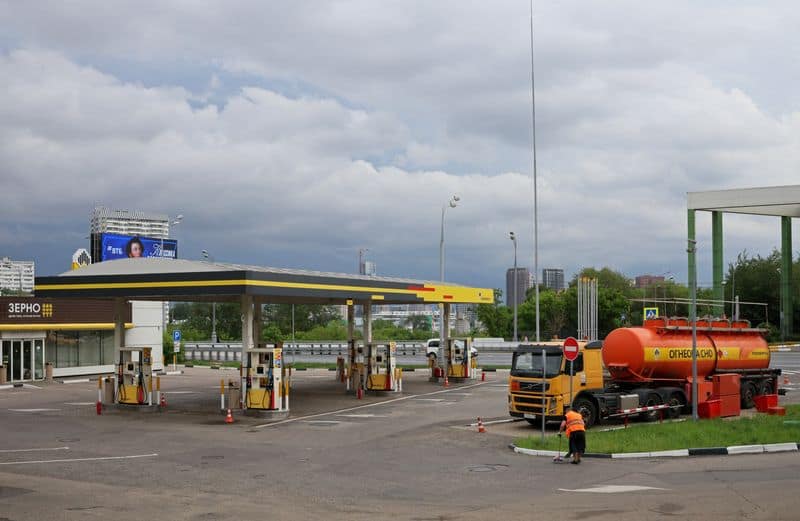
Key facts
- Ukraine has conducted escalating drone attacks on Russian energy infrastructure.
- These attacks have triggered a severe fuel crisis in Russia.
- The fuel crisis impacts over 17 Russian regions.
- Central Asian nations reliant on Russian fuel supplies are also affected.
- Demand for electric vehicles in Russia has surged.
- Russia has permitted oil refineries to produce lower-quality Euro-3 gasoline.
- This allowance is in effect through the end of the year.
- Euro-3 gasoline has higher sulfur content.
- The production of lower-quality gasoline increases pollution risks.
Ukraine's escalating drone attacks targeting Russian energy infrastructure have precipitated a severe fuel crisis, affecting over 17 Russian regions and impacting Central Asian nations that depend on Russian supplies. The shortages have led to a notable increase in demand for electric vehicles within Russia. In an effort to mitigate the crisis and stabilize domestic fuel availability, Russia has authorized its oil refineries to produce lower-quality Euro-3 gasoline. This temporary measure permits gasoline with a higher sulfur content, which consequently raises pollution risks, and is set to remain in effect through the end of the year. The drone strikes have specifically targeted oil refineries and storage facilities, exacerbating the supply crunch.