Key facts
- Russia is experiencing widespread fuel shortages impacting at least 17 regions.
- Ukrainian drone attacks on oil refineries and depots are the primary cause of the crisis.
- The Kapotnya refinery is expected to be offline until at least the end of 2026.
- Over 20% of Russia's refining capacity is estimated to be offline.
- Russia is importing gasoline from India and Kazakhstan to mitigate shortages.
- President Putin has acknowledged the problem and promised market stabilization measures.
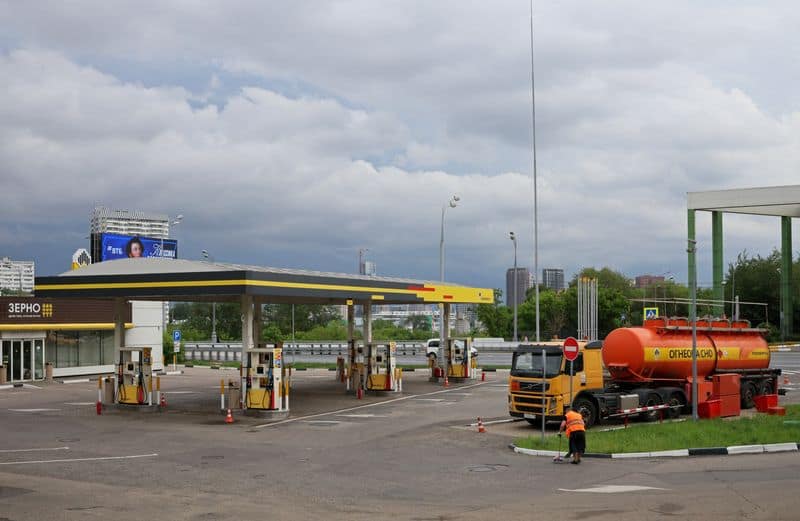
Russia is grappling with its most severe fuel shortages in years, with at least 17 regions implementing mandatory restrictions on gasoline and diesel sales and dozens more reporting private company limitations. The crisis is primarily driven by an escalating campaign of Ukrainian drone strikes targeting oil terminals, refineries, and pipelines. The Kapotnya refinery, a key supplier to the Moscow region, has been hit twice and is expected to remain offline until at least the end of 2026. Analysts estimate that over 20% of Russia's total refining capacity is currently non-operational. This disruption poses a significant challenge for the Kremlin, potentially impacting public sentiment towards the ongoing conflict. Russia has begun importing gasoline from India and secured supplies from Kazakhstan to address the shortages. President Putin has acknowledged the problem and pledged to stabilize the market, particularly for the agricultural sector, while Deputy Prime Minister Alexander Novak stated that measures are being implemented.