Key facts
- Russia will allow oil refineries to produce lower-quality Euro-3 gasoline until the end of the year.
- This measure is intended to address a growing fuel shortage caused by Ukrainian drone attacks on Russian oil infrastructure.
- Euro-3 gasoline has a higher sulfur content, leading to increased pollution.
- The decree permits gasoline with a maximum sulfur content of 150 mg/kg and prohibits its export.
- Ukrainian strikes have targeted major Russian refineries, impacting production.
Russia has authorized its oil refineries to produce gasoline meeting the lower-quality Euro-3 emissions standards through the end of 2024, a move aimed at mitigating a domestic fuel shortage exacerbated by Ukrainian drone attacks on energy infrastructure. The government decree, signed by Prime Minister Mikhail Mishustin, permits the circulation of gasoline with a sulfur content of up to 150 mg/kg, a significant increase from the current Euro-5 standard, which carries risks of increased pollution.
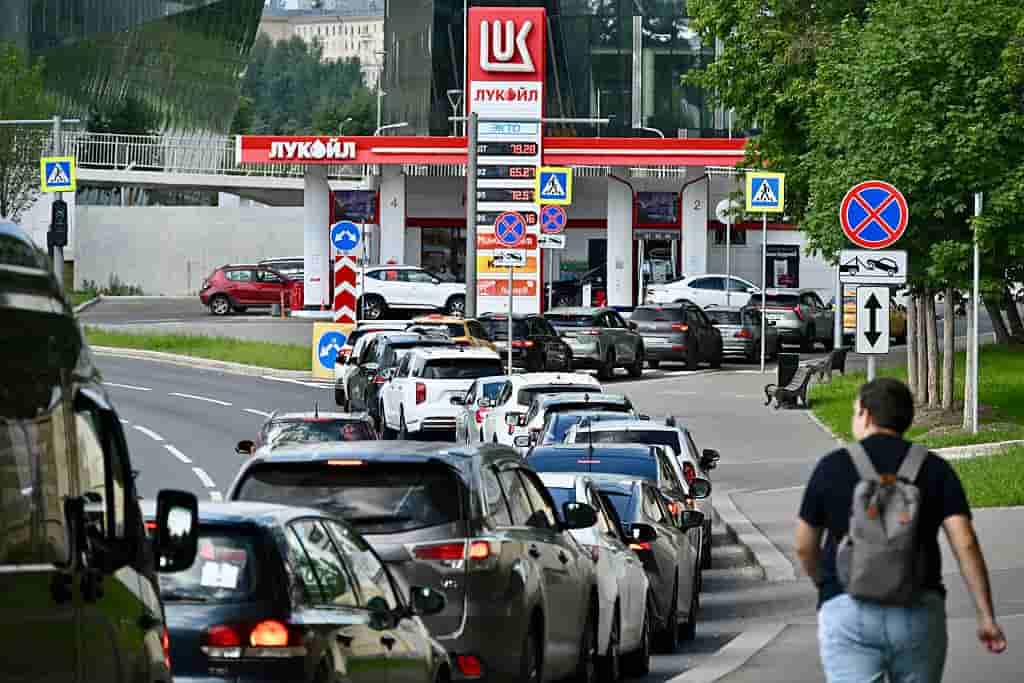
These lower-grade fuel products will not carry the Eurasian Economic Union conformity mark and are restricted to domestic use. The decision comes as Russia faces visible fuel shortages, including long lines at gas stations and sales restrictions. President Vladimir Putin has acknowledged the challenges, particularly for agricultural producers, and stated plans to increase production and minimize the impact of Ukrainian strikes.
Kyiv views Russian oil refineries as legitimate military targets, arguing they supply both fuel and funding for Moscow's war efforts. The intensified Ukrainian strike campaign adds further pressure to an oil industry already impacted by Western sanctions.