Key facts
- Boeing's Starliner spacecraft may not be certified until 2027.
- The certification delay is a decade behind the original schedule.
- A NASA Inspector General report cited overconfidence in heritage systems.
- An unachievable schedule was also cited as a reason for the delay.
- NASA Administrator Isaacman praised Blue Origin's progress.
- Blue Origin experienced a launch anomaly.
- Blue Origin plans to return the New Glenn rocket to flight this year.
- NASA is evaluating alternative launch vehicles for Artemis missions.
- NASA is evaluating alternative landers for Artemis missions.
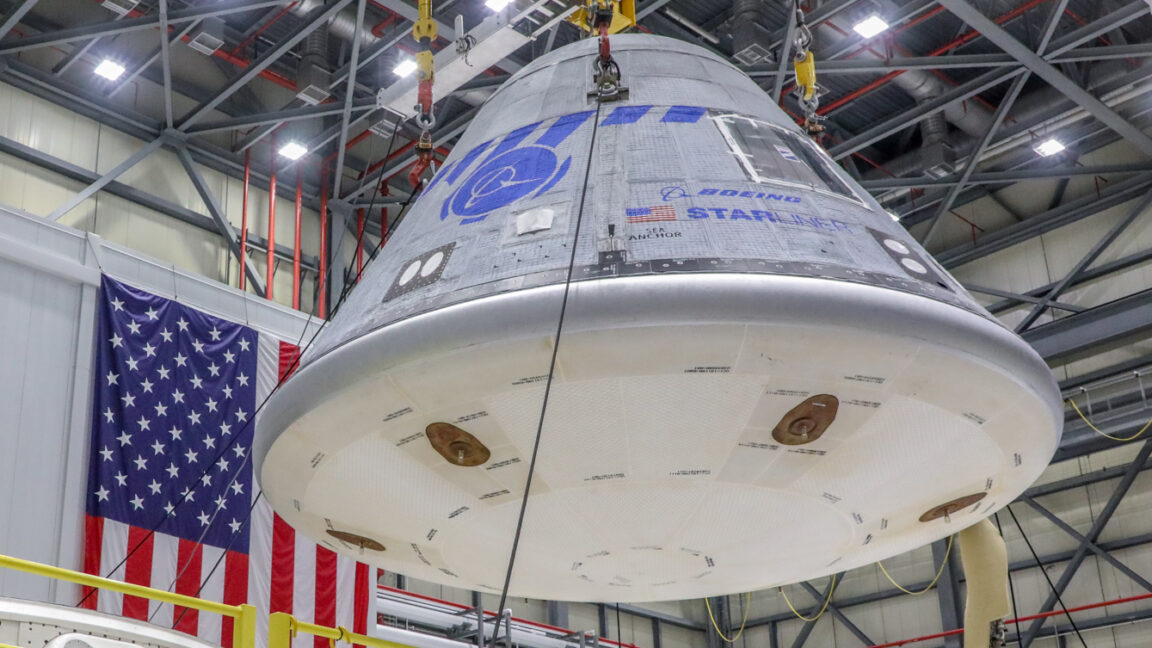
A NASA Inspector General report suggests that Boeing's Starliner spacecraft may not achieve certification for operational missions to the International Space Station until 2027. This projected timeline represents a significant delay, potentially a decade behind the initial schedule. The report identifies key contributing factors to this delay, including an overconfidence in the use of heritage systems and the adoption of an unachievable schedule for development and certification.
In parallel developments, NASA Administrator Isaacman has commented on the progress of Blue Origin. Following a launch anomaly, Isaacman stated that the company is making "great progress." Blue Origin has plans to return its New Glenn rocket to flight operations within the current year. NASA's strategic planning also involves evaluating alternative launch vehicles and landers for its ongoing Artemis missions, highlighting a proactive approach to securing necessary resources and contingency options for future space endeavors. This evaluation of alternatives is crucial for maintaining the momentum of the Artemis program.