Key facts
- A NASA Inspector General report indicates Boeing's Starliner spacecraft may not be certified until 2027.
- The Starliner certification delay is a decade behind its original schedule.
- The report cited overconfidence in heritage systems as a reason for the delay.
- An unachievable schedule was also cited as a key issue for Starliner's delay.
- NASA is exploring repurposing hardware from its Mars rover program for lunar missions.
- This includes the potential modification of a nuclear-powered rover for lunar use.
- The initiative aims to leverage existing taxpayer-funded technology for lunar exploration.
- The goal is to advance lunar exploration and establish a long-term human presence on the Moon.
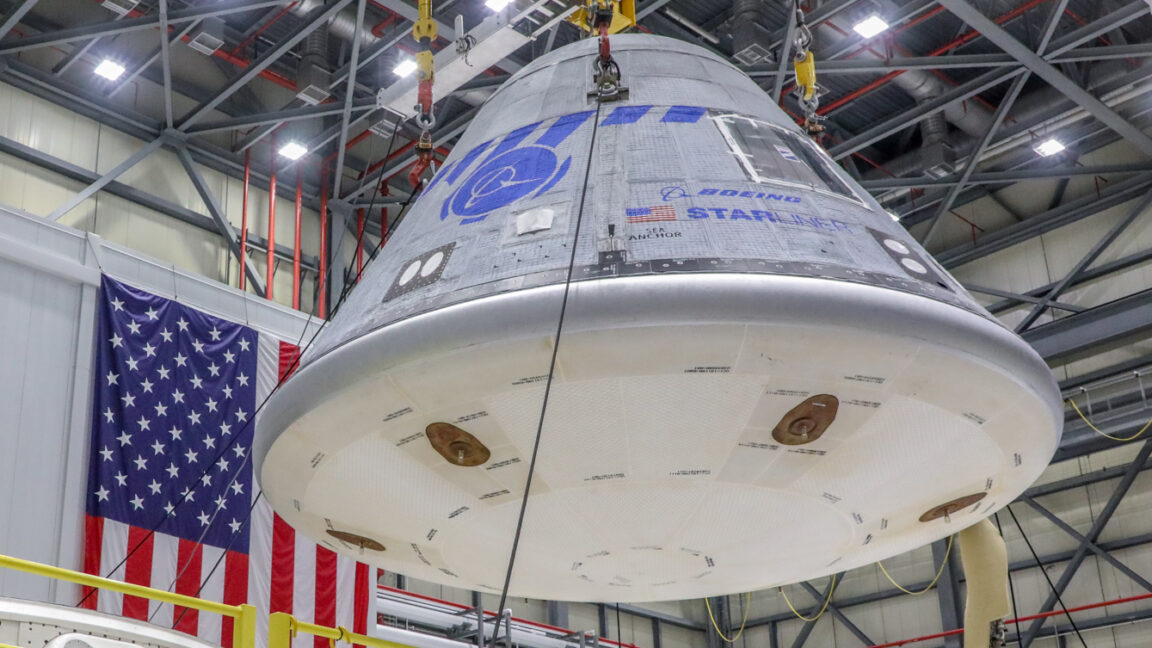
A NASA Inspector General report suggests that Boeing's Starliner spacecraft may not achieve certification for operational flights to the International Space Station until 2027. This projected timeline represents a significant delay, a full decade beyond the program's original schedule. The report identifies overconfidence in the use of heritage systems and the adoption of an unachievable schedule as primary contributing factors to these delays. The implications for NASA's crewed missions and its partnership with Boeing are substantial, potentially impacting future ISS operations and astronaut transport capabilities.