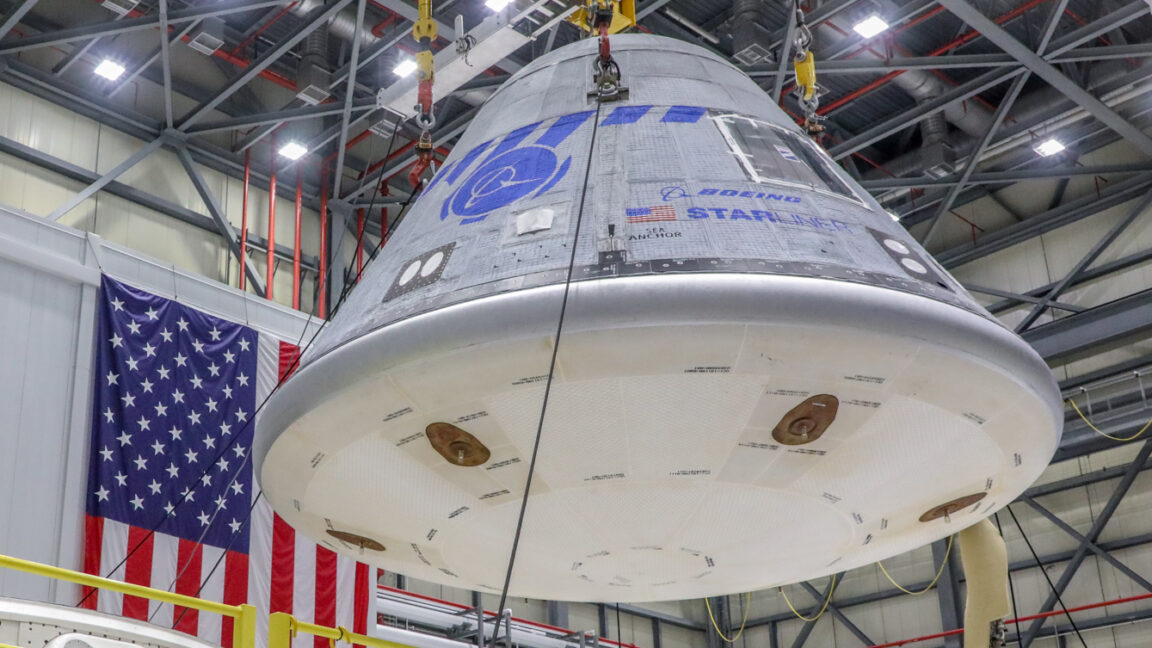
Key facts
- Boeing's Starliner spacecraft may not be certified for operational ISS flights until 2027, a decade behind schedule.
- The NASA inspector general's report cited overconfidence in heritage systems and an unachievable schedule as root causes for delays.
- Starliner experienced numerous technical issues during its 2024 crewed test flight, forcing astronauts to return on a SpaceX Crew Dragon.
- NASA has stripped Boeing of two missions and will purchase additional SpaceX flights to cover transportation needs through 2030.
- The agency will incur additional costs, including $300 million for extra SpaceX flights and questioned payments to Boeing.
NASA's inspector general has indicated that Boeing's Starliner crew capsule is likely to be certified for operational flights to the International Space Station (ISS) in 2027, a full decade later than its original 2017 schedule. This delay places its operational readiness close to the ISS's planned retirement in 2030, though a congressional extension to 2032 is being sought.
The inspector general's audit identified several issues contributing to the prolonged delays, including NASA and Boeing's "overconfidence in Boeing’s use of heritage systems, an unachievable schedule, and limited flight simulation data." The report noted approximately 100 in-flight anomalies and observations during Starliner's 2024 Crew Flight Test (CFT), which necessitated astronauts Butch Wilmore and Suni Williams returning to Earth via a SpaceX Crew Dragon due to concerns about the capsule's reliability.
Key unresolved issues include Starliner's helium leaks and overheating control thrusters, with parachute anomalies also requiring continued monitoring. The inspector general issued six recommendations, all accepted by NASA, focusing on developing and updating schedules for future missions and ensuring all CFT issues are resolved and documented. NASA officials expect these tasks to be completed by December 31.
As a consequence of the delays, NASA stripped Boeing of two of its six contracted crew rotation missions, reducing the contract's value by approximately $500 million. One of the remaining flights is now designated for cargo only. To maintain ISS staffing, NASA has awarded SpaceX additional missions and will need to purchase further flights through 2030, at an estimated cost of $300 million. The inspector general also questioned nearly $128 million in payments to Boeing for a future crew rotation flight that is far from certain.
Boeing faces additional scheduling challenges, including launch availability and docking port access on the ISS. The report suggests that the human-rating certification delay to 2027 leaves a limited window for Starliner to provide crewed flights before the ISS's planned operational end.