Key facts
- Amazon has stopped releasing new Fire Stick models that support sideloading apps from outside its Appstore.
- The new models use Vega OS, a proprietary Linux-based operating system that does not support sideloading.
- Amazon cites the threat of malware as the primary reason for blocking sideloading.
- Sideloading on previous Fire Sticks has been linked to significant streaming piracy.
- Vega OS offers Amazon greater control over device features, including ad placement and new AI-based services.
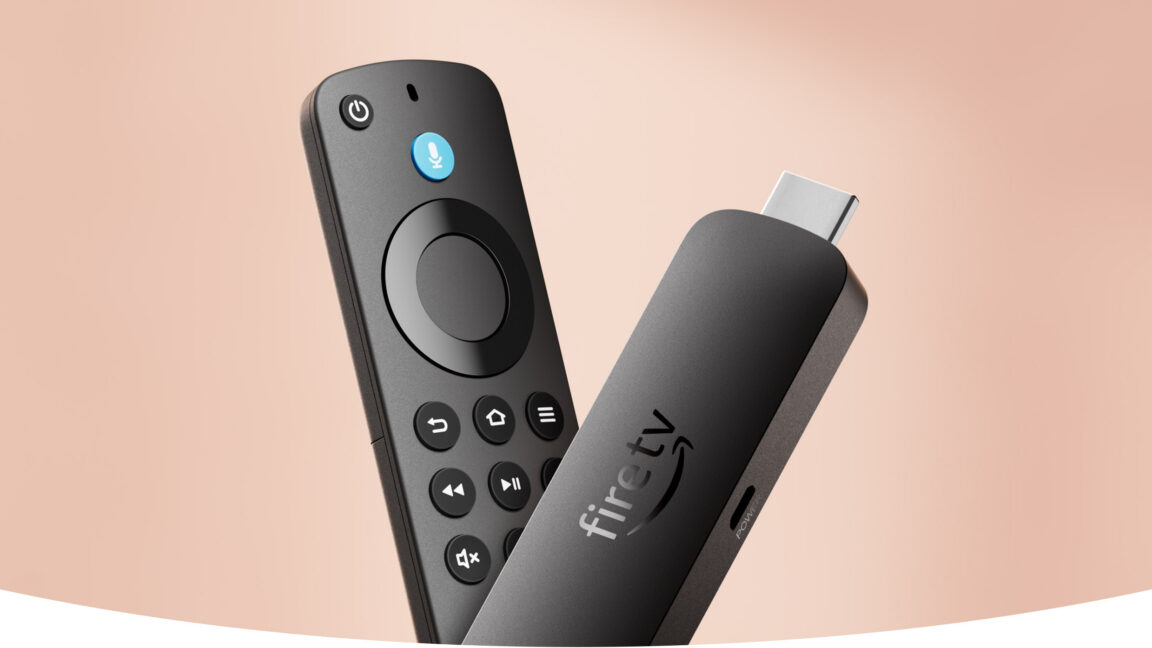
Amazon has announced it will no longer release new Fire TV Stick models that support sideloading applications from outside its official Appstore, citing concerns over malware threats. The company's latest devices feature Vega OS, a proprietary Linux-based operating system that lacks the sideloading functionality present in previous Fire OS versions, which were based on Android.
This shift away from sideloading addresses issues of streaming piracy, which stakeholders like Sky Sports and the Premier League have attributed to Fire Sticks, enabling billions of dollars in illicit content consumption. The move also grants Amazon greater control over its devices, allowing for better management of ad placements and the integration of new features such as its generative AI chatbot, Alexa+.
Despite the stated security motivations, Aidan Marcuss, VP of Fire TV, advertising, and Appstore, highlighted security and privacy as paramount. However, the decision to block custom launchers and third-party apps has been met with criticism, particularly as these tools previously allowed users to bypass Amazon's tracking and advertisements.