Key facts
- US-Iran peace talks in Switzerland were cancelled.
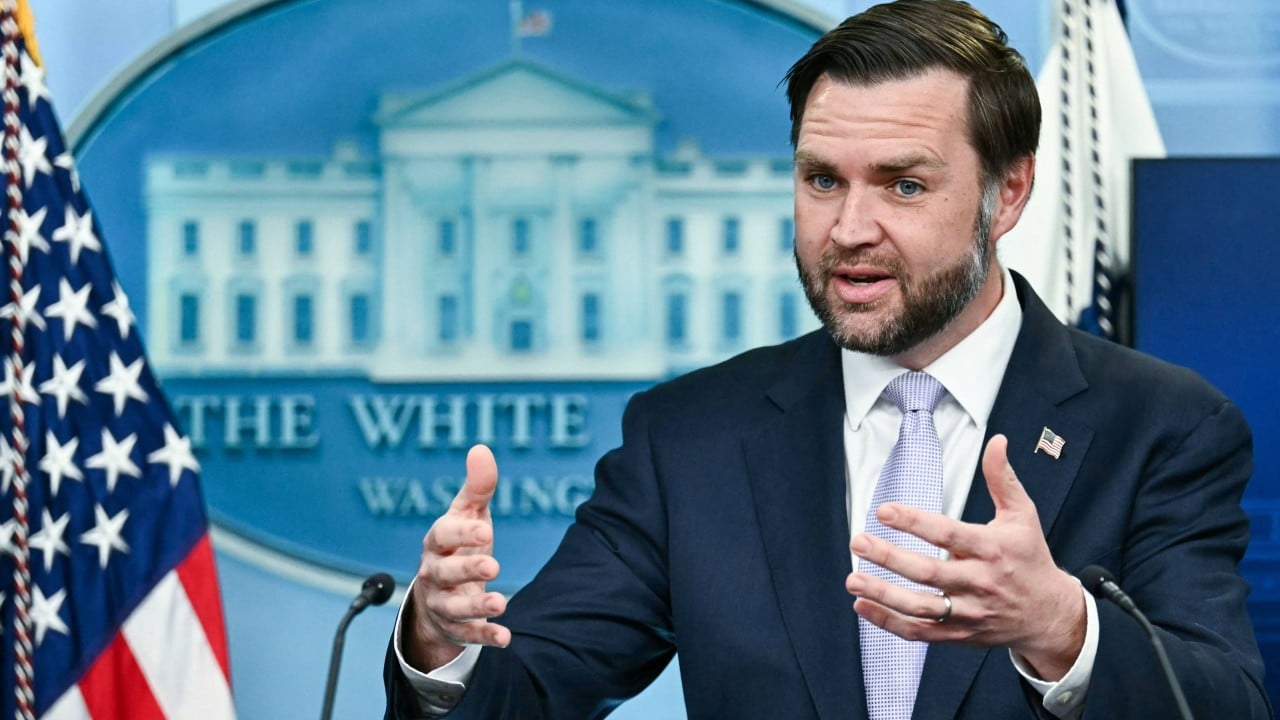
- Vice President JD Vance canceled his trip to Switzerland.
- The US and Iran signed a memorandum of understanding.
- The MOU includes an end to hostilities and lifting of sanctions.
- A reconstruction fund is part of the agreement.
- The US military allowed at least 12 ships through Iran's naval blockade.
- A 60-day negotiation period for a lasting agreement began Thursday.
- Iran will access $6 billion in frozen funds for US goods.
- The White House briefed lawmakers on the preliminary deal.
- Republican senators expressed concerns about the deal's leverage and benefits for Iran.
US-Iran peace talks initially scheduled in Switzerland have been postponed due to logistical unpredictability and Iran's demand for implementation signs, leading Vice President JD Vance to cancel his trip. This memorandum of understanding (MOU), described by commentator Bill O'Reilly as "Plan B" after initial war objectives failed, outlines an end to hostilities, the lifting of sanctions, and the establishment of a reconstruction fund. Following the signing of the MOU, the US military has permitted at least 12 ships to pass through its naval blockade of Iran's ports. The 60-day negotiation period for a potential lasting agreement commenced on Thursday.
The agreement allows Iran to access $6 billion in previously frozen funds for the purchase of essential American goods. The White House briefed House and Senate leaders and national security lawmakers on Thursday regarding the preliminary deal. Despite these developments, the deal faces significant criticism from Republican senators, including Tom Cotton, who express dismay and pessimism about the US leverage and the potential benefits Iran might receive. Vice President Vance is defending the MOU as a political opportunity and a gamble, emphasizing Iranian compliance for benefits, but acknowledges conflicting messages from President Trump and Republican opposition.
Separately, US Senators are attempting to block Defense Secretary Pete Hegseth's travel funds until the Pentagon releases overdue reports, including an investigation into a deadly strike on an elementary school in Iran. This provision is part of the annual defense authorization bill. Vice President Vance also expressed concern over the leak of audio tapes from the Situation Room to The New York Times, citing potential felony violations and worries about sensitive conversations being recorded.
The interim agreement also involves the phased release of money held in Qatar under an agreement with the Trump administration. The sources also mention unrelated ongoing negotiations, including bipartisan lawmakers finalizing the Clarity Act, a crypto market structure bill, next week, and the resumption of virtual NAFTA talks at the beginning of next month.