Key facts
- US-Iran peace talks in Switzerland were canceled.
- Logistical issues and Iran's demands led to the cancellation of the talks.
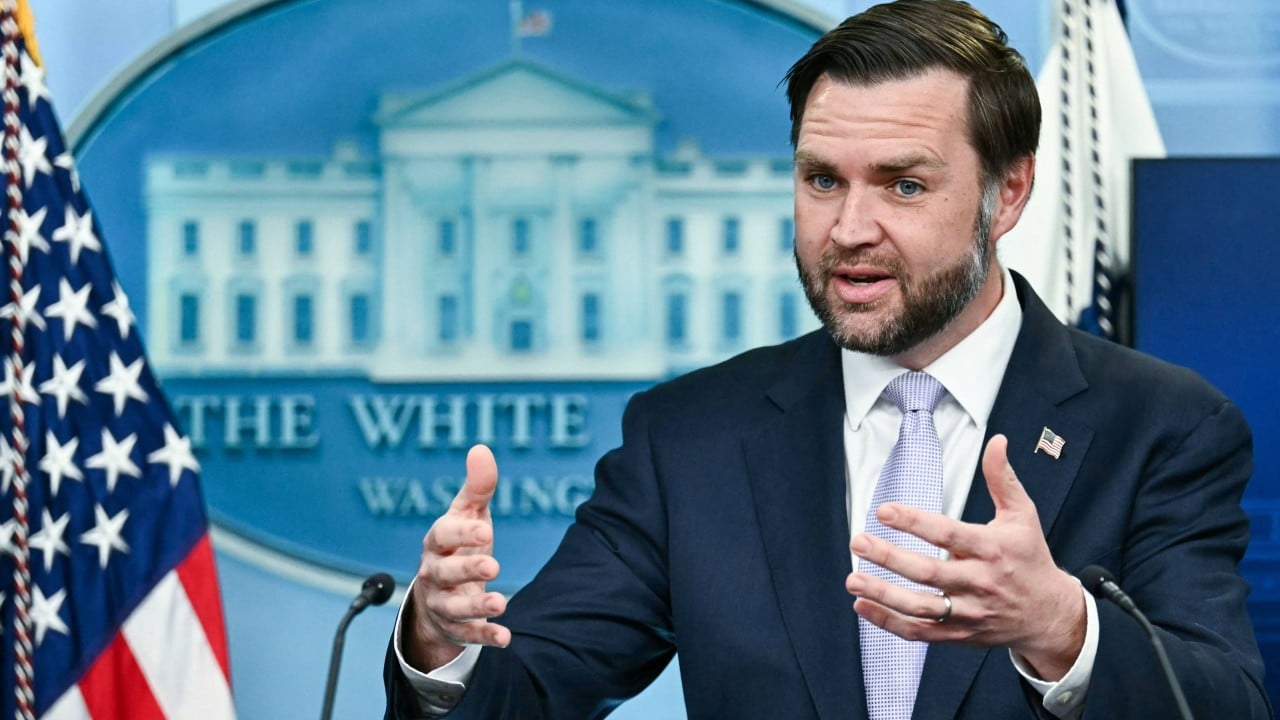
- Vice President JD Vance's trip to Switzerland was postponed.
- An initial agreement to end the Iran war was signed on Wednesday.
- A memorandum of understanding includes an end to hostilities and lifting of sanctions.
- The US military permitted at least 12 ships to pass through its naval blockade of Iran's ports.
- The 60-day negotiation period for the agreement began on Thursday.
- Iran will access $6 billion in frozen funds for US goods.
- Money held in Qatar will be released in stages under an interim agreement.
- Senator Tom Cotton expressed concerns over the Trump administration's Iran deal.
US-Iran peace talks scheduled to take place in Switzerland have been canceled. The cancellation is attributed to logistical issues and Iran's demand for concrete signs of implementation of an initial agreement to end the Iran war, which was signed on Wednesday. Vice President JD Vance's trip to Switzerland has been postponed as a result.
The memorandum of understanding includes an end to hostilities between the two nations and the lifting of sanctions. Political commentator Bill O'Reilly described the deal as "Plan B" for the Trump administration, implemented after initial war objectives failed. Following the signing of this memorandum, Vice President Vance announced that the US military has permitted at least 12 ships to pass through its naval blockade of Iran's ports. The 60-day negotiation period for the agreement commenced on Thursday.
Under the terms of the agreement, Iran will gain access to $6 billion in previously frozen funds. These funds are designated for the purchase of essential American goods, facilitating the acquisition of U.S. products. Additionally, money held in Qatar will be released in stages as part of an interim agreement with the Trump administration.
Despite the progress, concerns have been raised. Senator Tom Cotton, the No. 3 Senate Republican, has voiced reservations about President Donald Trump's Iran deal. Reports also indicate that Defense Secretary Pete Hegseth's reconciliation efforts are not gaining traction. Vice President Vance also expressed concern over the potential leak of audio tapes from the Situation Room to The New York Times, citing potential felony violations and worries about sensitive conversations being recorded. These tapes reportedly detail discussions on U.S. strategy regarding Iran and the administration's response to the Jeffrey Epstein scandal.
Separately, bipartisan lawmakers are in an "11th-hour sprint" to finalize the Clarity Act, a crypto market structure bill, with negotiators scheduled to meet next week. The next round of negotiations for the North American free trade pact will be held virtually at the beginning of next month.