Key facts
- US Vice President JD Vance postponed his trip to Switzerland for planned talks with Iran.
- The White House cited complex and unpredictable logistics for the delay.
- A preliminary agreement was reached between the US and Iran to end a regional war.
- The agreement includes sanctions relief, unfreezing of assets, and waivers for Iran's oil exports.
- Iran's Supreme Leader suggested the deal was signed out of desperation.
- The deal allows 60 days for negotiations on Iran's nuclear program and establishes a $300 billion reconstruction fund.
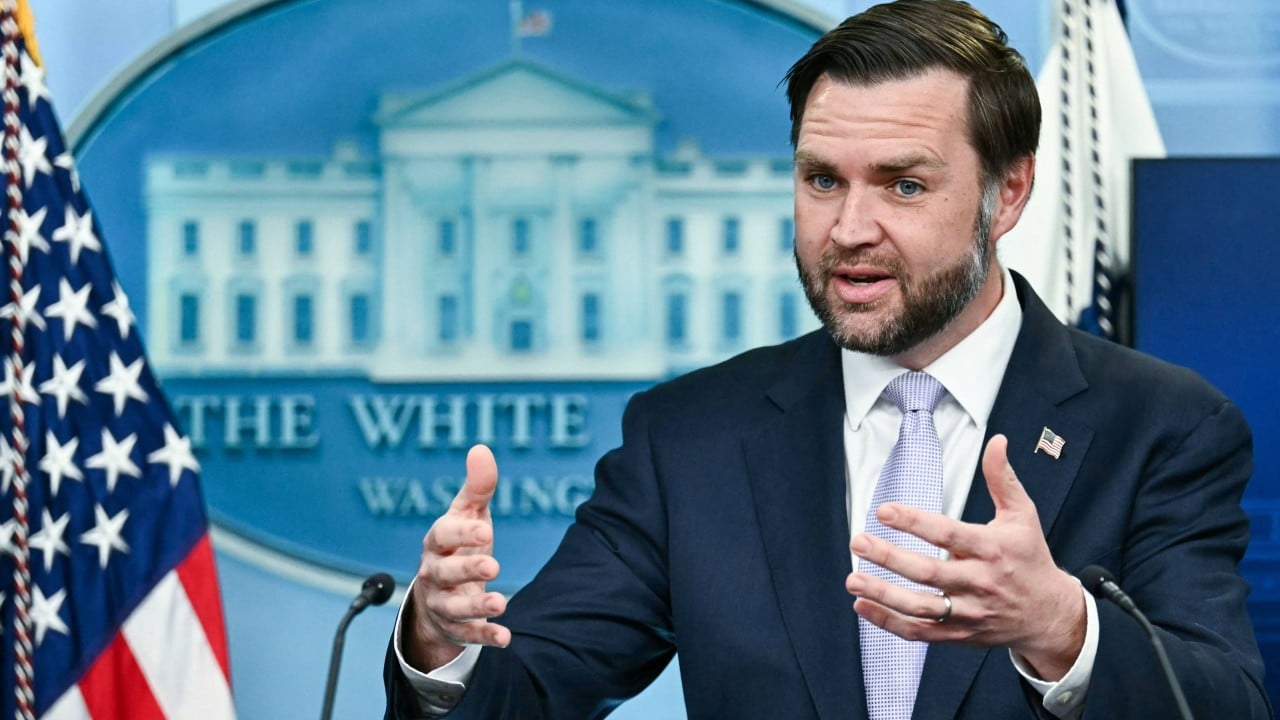
US Vice President JD Vance's planned trip to Switzerland for peace talks with Iran has been postponed due to complex logistics and regional tensions, the White House confirmed. The delay casts further uncertainty on the implementation of a preliminary agreement aimed at ending a regional war that has killed thousands and shaken global markets.
Iran's foreign ministry had previously cast doubt on a formal signing ceremony, stating it was unnecessary after the presidents of both countries signed an agreement on Wednesday. While Iran indicated readiness for technical talks following a 60-day ceasefire extension, its negotiators stressed the need to see signs of U.S. implementation before proceeding. The White House acknowledged the unpredictable nature of such negotiations, stating the U.S. delegation remained prepared to depart.
The preliminary accord, a 14-point memorandum of understanding, includes relief from economic sanctions, unfreezing of assets worth tens of billions of dollars, and U.S. waivers for Iran's oil exports. The deal also establishes a $300 billion reconstruction fund for Iran and sets a 60-day period for negotiations on Iran's nuclear program. However, the terms have drawn criticism from some Republican lawmakers who question the concessions made by President Donald Trump, who had previously aimed for Iran's "unconditional surrender."
Iran's Supreme Leader Ayatollah Mojtaba Khamenei suggested Trump signed the deal out of desperation. The agreement reiterates Iran's stance against developing nuclear weapons and includes provisions for down-blending enriched uranium and IAEA inspections. Meanwhile, fighting continues between Israel and the Iranian-allied Hezbollah in Lebanon, raising questions about the durability of the broader agreement. Israel has indicated no intention of withdrawing from Lebanon and has released a map showing an expanded occupation zone, creating a significant rift with the U.S.