Key facts
- US-Iran peace talks scheduled for Friday in Switzerland have been cancelled.
- The cancellation was announced by Switzerland's foreign ministry.
- The talks were intended to negotiate a permanent understanding on Iran's nuclear program and end the war.
- Vice President JD Vance's trip to Switzerland was postponed due to complex logistics and Iran's demand for implementation signs.
- Iran cited Israel's ongoing military campaign in Lebanon as a reason for delaying its delegation's travel.
- The US lifted its naval blockade of Iranian ports prior to the cancellation.
Talks between the United States and Iran, scheduled to take place in Switzerland on Friday to implement a 14-point agreement aimed at ending their war and negotiating Iran's nuclear program, have been abruptly cancelled. Switzerland's foreign ministry announced the cancellation, which came two days after the signing of a memorandum of understanding (MOU) that opened a 60-day window for these negotiations.
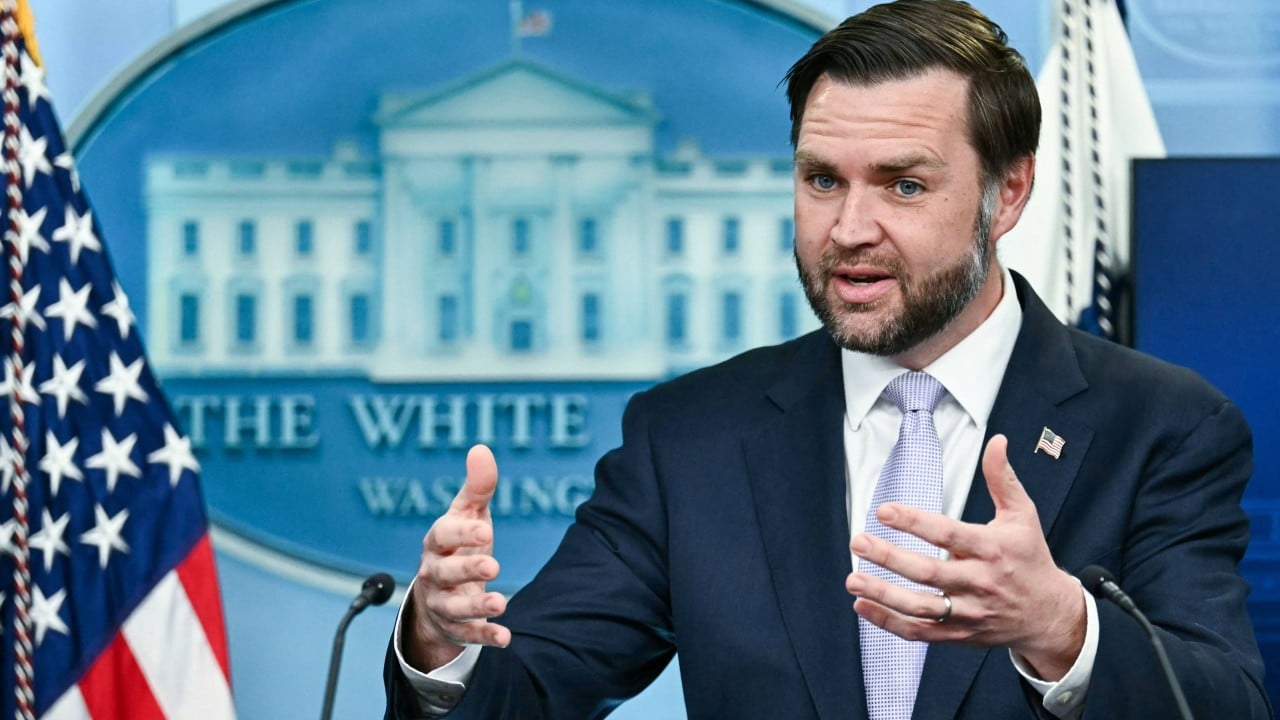
Vice President JD Vance, leading the U.S. negotiations, had his trip to Switzerland postponed due to complex logistics and Iran's insistence on seeing signs of implementation of the interim agreement before proceeding. A White House spokesperson noted that the logistics of such negotiations are never simple or predictable.
The cancellation occurred shortly after reports from Al-Mayadeen suggested that Iran was delaying its delegation's travel due to Israel's ongoing military campaign in Lebanon. Israel, which was not part of the US-Iran agreement, has continued its operations against Hezbollah.
Despite reservations, Iran's supreme leader Ayatollah Mojtaba Khamenei approved the MOU. Concurrently, the United States officially lifted its naval blockade of Iranian ports. However, Iranian negotiators indicated a need for tangible implementation signs from the U.S. before further peace talks could commence.
President Donald Trump had previously announced that the U.S. Navy would blockade the Strait of Hormuz, a key term in the negotiations. Iran's chief negotiator, Mohammad Ghalibaf, issued a warning against any breach of the agreement.
The diplomatic back-and-forth adds to the uncertainty surrounding a lasting truce for a regional war that has resulted in significant casualties and shaken global markets.