Key facts
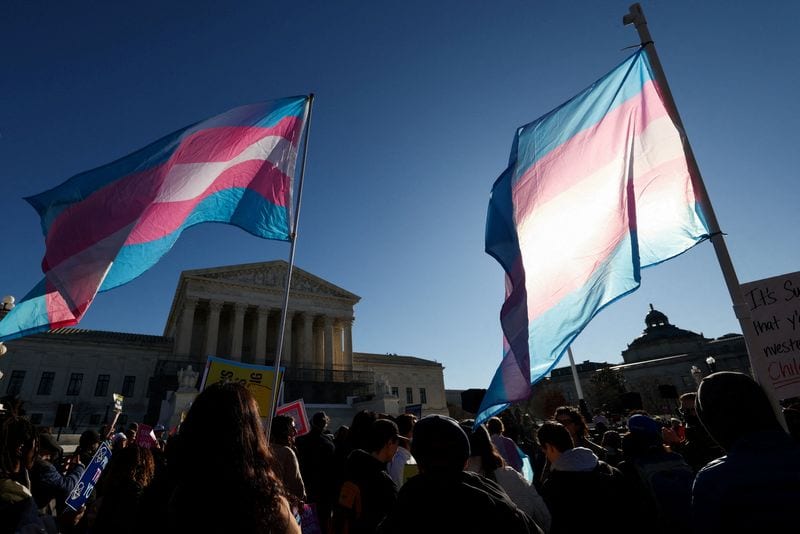
- The Supreme Court upheld state bans on transgender athletes in women's sports.
- The upheld bans apply to laws in Idaho and West Virginia.
- The Supreme Court will review state bans on assault-style rifles.
- The review of assault weapon bans includes challenges to laws in the Chicago area and Connecticut.
- Approximately a dozen states have bans on assault-style rifles.
- The Supreme Court declined to allow Donald Trump to remove Shira Perlmutter, the government's top copyright official.
- The Trump administration is prioritizing religious freedom in health policies.
- The HHS has reorganized its civil rights office to focus on conscience and religious freedom.
- The U.S. Education Department is finalizing rules linking federal student loan access to graduate earnings.
- Schools failing to meet earnings thresholds could lose federal funding eligibility.
The Supreme Court has upheld state laws in Idaho and West Virginia that ban transgender athletes from participating in women's sports, affirming the authority of states to enact such legislation. This ruling solidifies the ability of states to implement these bans.
In a separate matter, the Supreme Court has agreed to review state bans on assault-style rifles, including AR-15s, in a case that could potentially expand gun rights. The justices are expected to hear challenges to laws from the Chicago area and Connecticut, with approximately a dozen states having similar bans in place. Arguments in this case are anticipated to begin in the Court's next term, which commences in October.
The Supreme Court also issued a temporary block on Donald Trump's attempt to remove Shira Perlmutter, the government's top copyright official. The Court declined to allow the removal while Perlmutter's legal challenge to her potential dismissal proceeds, meaning the decision is not a final ruling on the merits of the case.
Meanwhile, the Trump administration is prioritizing religious freedom within its health policies. This initiative affects areas such as reproductive health, LGBTQ+ care, and vaccine decisions. The Department of Health and Human Services (HHS) has reorganized its civil rights office to place a greater emphasis on conscience and religious freedom, indicating a shift in enforcement priorities.
Furthermore, the U.S. Education Department is in the process of finalizing new rules that will tie federal student loan access for educational institutions to the earning potential of their graduates. Programs that fail to meet specific earnings thresholds could face the loss of eligibility for federal funding.