Supreme Court Upholds Bans on Trans Athletes in Women's Sports | PiQ Markets
3 storiesUS Politics & PolicyUS Congress: House of Representatives & SenateDonald Trump policies & legal proceedings
Supreme Court Upholds Bans on Trans Athletes in Women's Sports
window 24h
IN SHORT
The U.S. Supreme Court has upheld bans on transgender athletes in women's sports, overturning lower court rulings in Idaho and West Virginia. In other policy shifts, the Trump administration is finalizing rules to link federal student loan access to graduate earnings, potentially cutting off funding for programs with low-earning alumni. Additionally, the administration is prioritizing religious freedom in health policies, reorganizing the HHS civil rights office to focus on conscience and religious freedom, which could affect reproductive health, LGBTQ+ care, and vaccine decisions.
✉Newsletter
PiQ Daily
Pick your topics. Get only what matters, on your cadence.
Who's Involved
U.S. Supreme Court
court that upheld bans on transgender athletes in women's sports
Idaho
state with a ban on transgender athletes in women's sports upheld by the Supreme Court
West Virginia
state with a ban on transgender athletes in women's sports upheld by the Supreme Court
Trump administration
administration implementing new rules on student loans and religious freedom in health policy
U.S. Education Department
department finalizing rules on federal student loan access based on graduate earnings
HHS
department that reorganized its civil rights office to focus on religious freedom
1 / 2
Key facts
The U.S. Supreme Court upheld bans on transgender athletes in women's sports.
The Supreme Court ruling overturns lower court judgments concerning Idaho and West Virginia.
The Trump administration is finalizing rules linking federal student loan access to graduate earnings.
Programs failing to meet graduate earnings thresholds could lose federal funding eligibility.
The Trump administration is prioritizing religious freedom in health policies.
The HHS has reorganized its civil rights office to focus on conscience and religious freedom.
The policy shifts could impact reproductive health, LGBTQ+ care, and vaccine decisions.
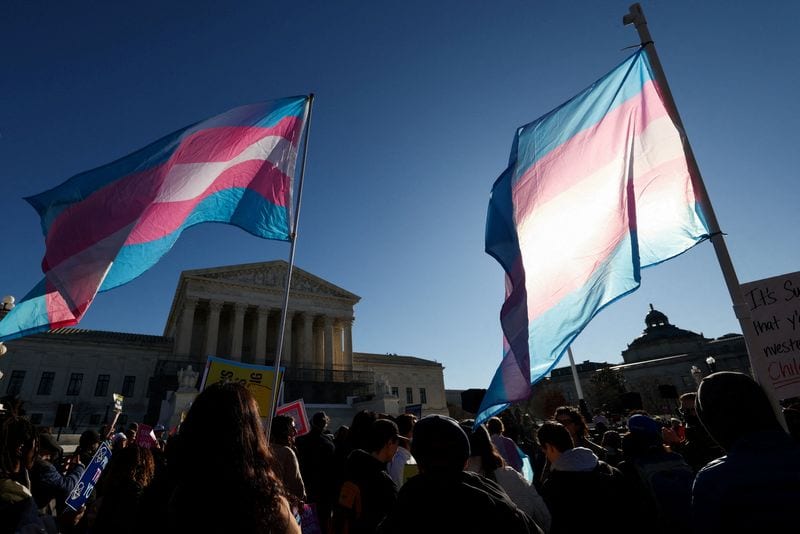
The U.S. Supreme Court has upheld state laws in Idaho and West Virginia that prohibit transgender girls and women from participating in female sports. This decision overturns previous judgments from lower courts, signaling a significant development for transgender rights across the country. The ruling is expected to embolden other states to enact similar legislation and may lead to further legal challenges regarding inclusivity in athletics.
In parallel policy developments, the Trump administration is implementing new regulations that tie federal student loan eligibility for educational institutions to the earning potential of their graduates. The U.S. Education Department is in the final stages of establishing these rules, which could result in programs failing to meet specific earnings thresholds losing access to federal funding. This initiative aims to ensure that federal financial aid supports programs that lead to viable career outcomes for students.
Furthermore, the Trump administration is placing a heightened emphasis on religious freedom within its health policies. The Department of Health and Human Services (HHS) has restructured its civil rights office to concentrate on issues of conscience and religious freedom. This strategic reorganization indicates a shift in enforcement priorities, potentially impacting a range of healthcare services, including reproductive health, care for LGBTQ+ individuals, and decisions related to vaccinations.
↳ Why This Matters
The U.S. Supreme Court has upheld state laws in Idaho and West Virginia that prohibit transgender girls and women from participating in female sports. This decision overturns previous judgments from lower courts, signaling a significant development for transgender rights across the country. The ruling is expected to embolden other states to enact similar legislation and may lead to further legal challenges regarding inclusivity in athletics.
Frequently asked questions
The Supreme Court will hear a challenge to state bans on assault-style rifles, such as AR-15s, in cases originating from Cook County, Illinois, and Connecticut.
Challengers argue that the bans violate the Second Amendment's right to bear arms, contending that these types of rifles are in 'common use' and therefore protected.
The Supreme Court is anticipated to hear the case during its next term, which commences in October.
The court has a conservative majority and has previously expanded gun rights in landmark rulings in 2008, 2010, and 2022, requiring gun restrictions to be consistent with historical firearm regulation.
What Happens Next
01The Supreme Court is expected to hear the case in its next term, starting in October.
02The court will review challenges to assault rifle bans in Cook County, Illinois, and Connecticut.
Get the newsletter.
Pick the topics you actually care about. We'll email when there's news worth your time, on the cadence you choose. Cancel any time from your account.