Key facts
- Yorkshire has been declared in drought by the Environment Agency.
- This spring was the driest for Yorkshire in over 130 years.
- March to May rainfall in Yorkshire was 40% to 43% of average.
- Reservoir levels in Yorkshire are 20% to 30% below average.
- Reservoir storage is at 62% to 63% capacity, below the expected 85% for June.
- This spring was Yorkshire's warmest since 1884.
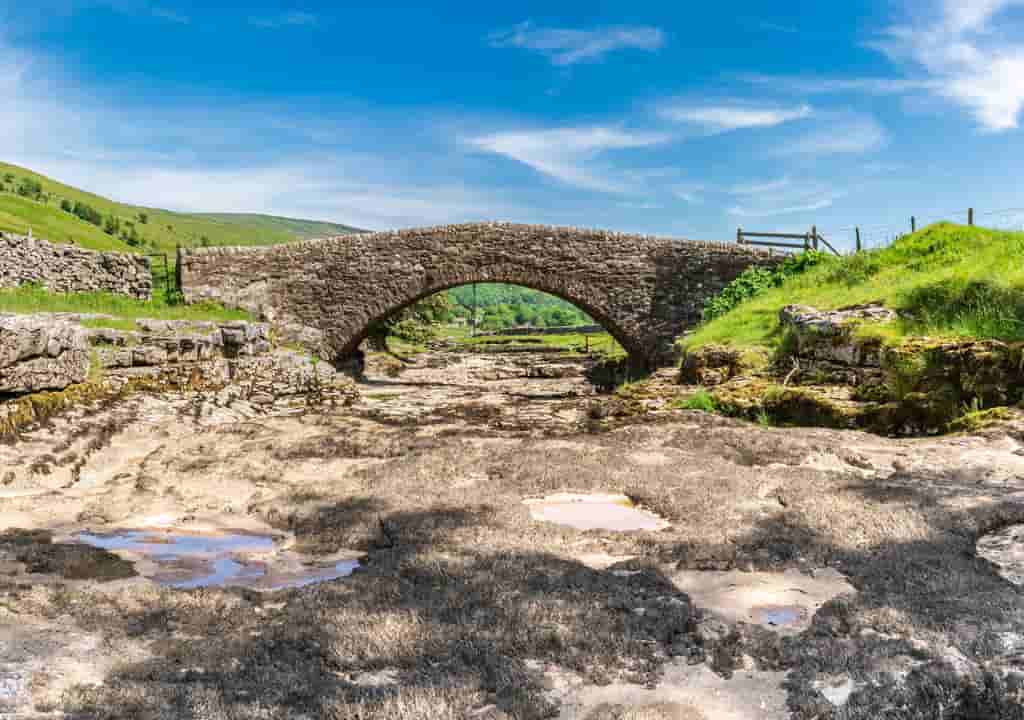
Yorkshire has officially been declared in drought by the Environment Agency, following its driest and warmest spring in over a century. The decision comes after an exceptionally dry and warm spring, with a persistent high-pressure weather pattern blocking rainfall and depleting water resources.
During March to May, the region received just 40% to 43% of its average rainfall. River flows and groundwater have dropped sharply, with some reservoir levels 20% to 30% below the average for this time of year. Reservoir storage is currently around 62% to 63% capacity, significantly below the expected 85% for June. Met Office data confirms this was Yorkshire’s warmest spring since 1884, with nearly the entire month of May passing without significant rain.
Yorkshire joins North West England, which was declared in drought on May 29. The North East, East Midlands, and West Midlands are officially classified as experiencing prolonged dry weather. Across much of the country, river flows and reservoir levels remain worryingly low.
Climate scientists suggest these extreme weather patterns align with trends driven by climate change, which makes summers hotter and rainfall more irregular. Impacts are already being seen, including crop damage, moorland wildfires, restricted canal navigation, and reduced river flows threatening wildlife. Yorkshire Water and United Utilities are implementing drought management plans, including fixing leaks, urging households to conserve water, and preparing for potential hosepipe bans.