Key facts
- A SpaceX Falcon 9 launch was scrubbed late in the countdown.
- United Launch Alliance's Vulcan rocket is weeks away from its first launch, targeting October 29.
- South Korea's Nuri rocket successfully deployed five satellites.
- German launch startup HyImpulse delayed its SR75 suborbital rocket test flight to spring 2027.
- SpaceX is reportedly seeking $40 billion in debt to finance Nvidia chip purchases.
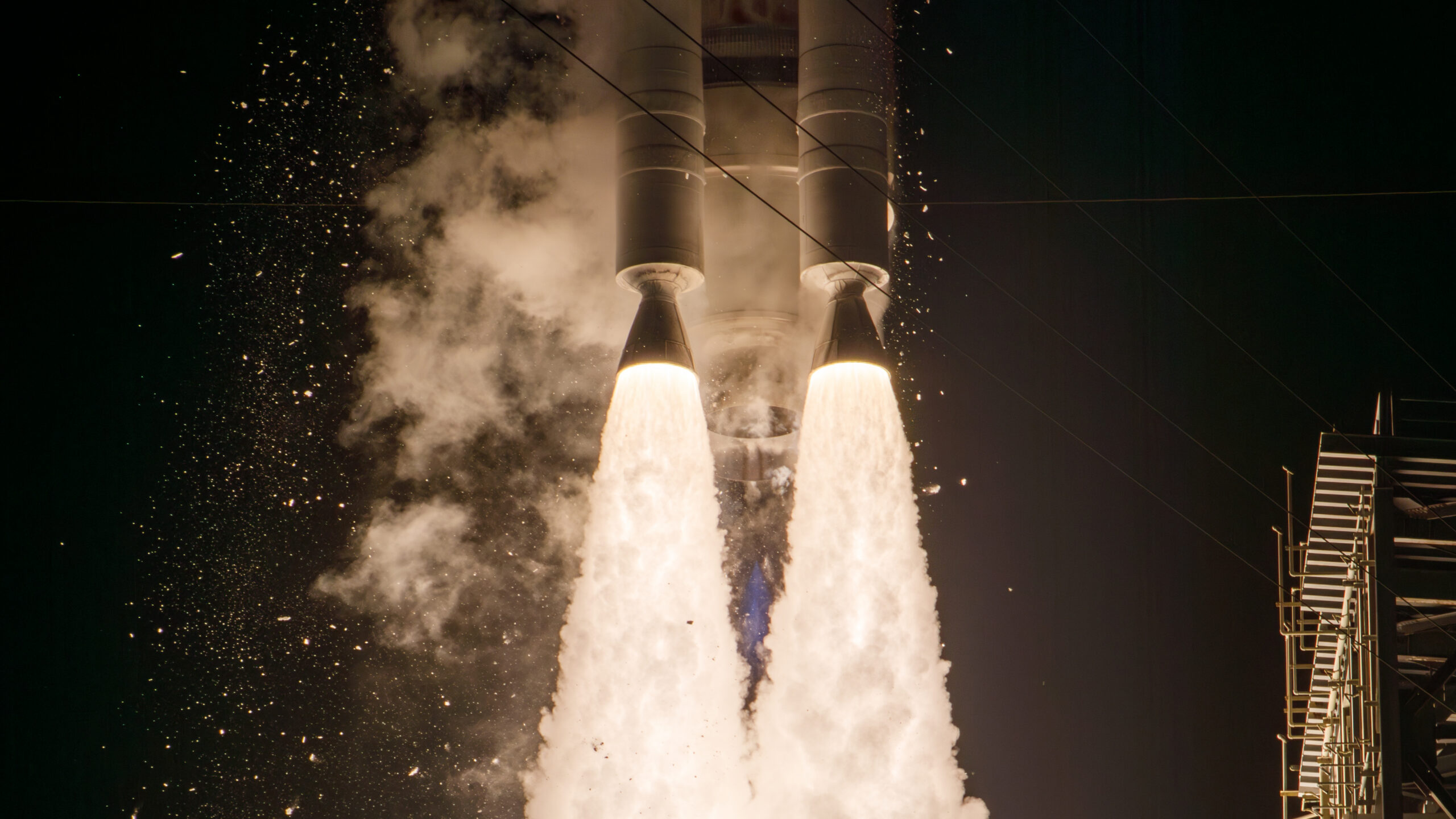
A United Launch Alliance (ULA) Vulcan rocket is nearing its launch, with a no-earlier-than date of October 29 for its return-to-flight mission carrying Amazon Leo satellites. A subsequent Amazon Leo mission is also planned for this year, suggesting Vulcan could see increased cadence in 2025 if its solid rocket boosters perform as expected.
In other launch news, South Korea's Nuri rocket successfully deployed five satellites for its first domestically launched microsatellite constellation. Nine of the rocket's 10 secondary CubeSat payloads also separated as planned, though one failed to detach. This marks Nuri's fourth consecutive success, raising its overall launch success rate to 80 percent. Following the launch, Science Minister Bae Kyung-hoon pledged continued government support for private sector-led launches as South Korea aims to transition to a more commercially driven space industry.
German launch startup HyImpulse has postponed the second flight of its SR75 suborbital rocket to spring 2027, a shift from its previous late 2026 target. The company cited licensing framework activities and seasonal weather conditions at SaxaVord as reasons for the delay, rather than vehicle readiness. This flight will be HyImpulse's second SR75 mission and its first to carry commercial payloads, launching from European soil.
Rocket Factory Augsburg has appointed Alexander Dahm as its new CEO. Dahm, who has 30 years of aerospace experience including work on the Ariane 5 program, will oversee the company's development towards the debut flight of its RFA ONE launch vehicle. RFA ONE is working towards its first orbital launch after its first stage was lost during a static-fire test in 2024.
SpaceX experienced a rare scrub of its Falcon 9 rocket launch just minutes before liftoff due to an issue during the automated startup sequence. The rocket was scheduled to deploy data satellites for the U.S. Space Force's Space Development Agency. The company has since targeted Saturday, October 10, for its next launch attempt, using booster B1103 for its sixth flight.
Meanwhile, concerns have arisen regarding SpaceX's creditworthiness as it plans to raise $40 billion in debt to finance Nvidia chip purchases. The spread on SpaceX's five-year credit default swaps increased to 194 basis points, indicating higher costs to insure its debt. This debt issuance follows a $25 billion investment-grade debt offering in June and suggests founder Elon Musk's continued investment in Nvidia's technology.
Cape Canaveral Space Force Station is enhancing its security with a new directed energy defense system, including lasers, to counter drone incursions and protect launch safety and sensitive space efforts.