Key facts
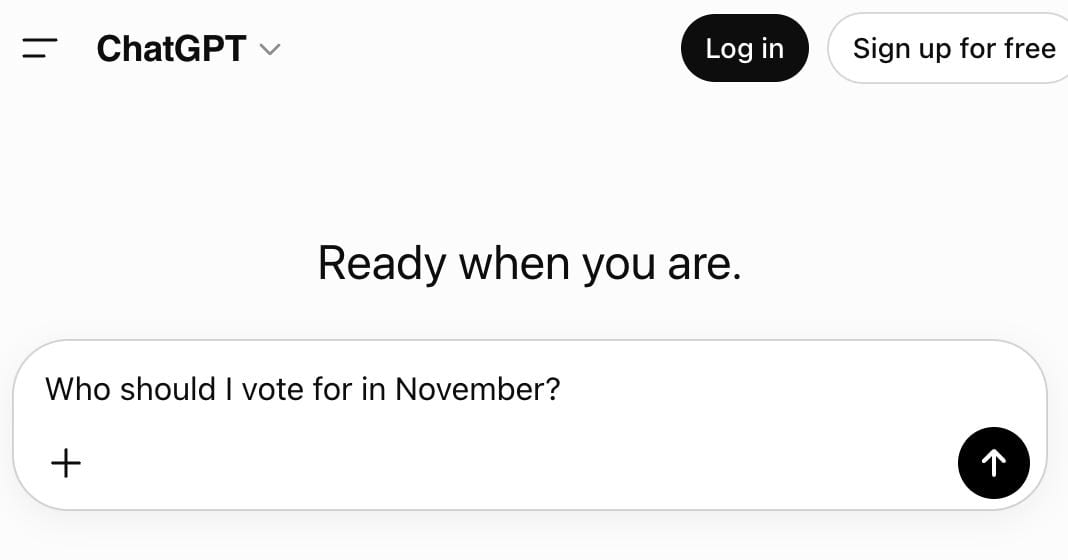
- Voters are using AI chatbots to ask for information about political candidates and elections.
- A significant minority of voters (15%) are likely to consult AI chatbots for midterm candidate information.
- Voters under 35 and voters of color are more likely to use AI chatbots for election-related queries.
- AI platforms provide incomplete and inconsistent answers to voter questions.
- AI models aim for neutrality but can favor specific publishers, influencing the information users receive.
Voters are increasingly turning to artificial intelligence chatbots for information regarding elections, a trend that is expected to become more pronounced in the upcoming midterms. Researchers are studying the implications of this shift, noting that while AI platforms aim for neutrality, the information they provide can be inconsistent and vary significantly based on the model and its data sources.
The New York Times reported on voters using AI tools like ChatGPT and Claude to analyze candidates and seek voting advice. This observation is supported by research from Caucus AI, which indicates that AI chatbots will play a meaningful role in the 2026 general election for the first time. A survey by Caucus AI and Change Research found that 15% of voters are likely to consult an AI chatbot for information on midterm candidates, while a larger share (62%) may be exposed to AI-generated political content through Google's AI search overviews.
Demographic analysis reveals that younger voters (under 35) and voters of color are more inclined to use AI chatbots for election-related queries. Notably, engaged voters, including decided Democrats and Republicans, are also consulting these tools, suggesting AI is becoming a significant channel for political information across various voter segments.
Studies by States United examining ChatGPT and Google AI found that these platforms offer incomplete and inconsistent responses to common voter questions about registration, voting dates, and candidates. The sources AI models draw upon can vary widely, leading to different information ecosystems for different users, and potentially favoring specific publishers over others. While the models strive for neutrality, their reliance on curated sources means users may not receive a comprehensive or unbiased view.