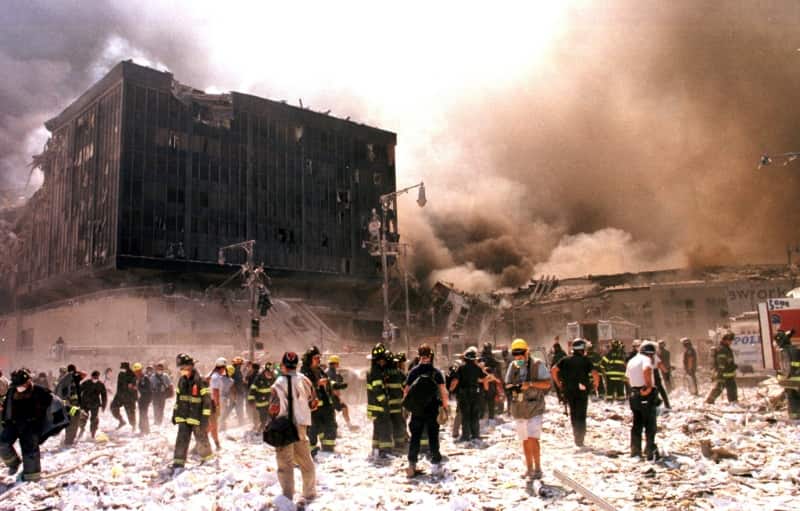
A government-funded study will track the long-term health effects of 9/11 exposure on children who were in lower Manhattan on the day of the attacks. The CDC is seeking researchers to establish a coordinating center and identify a cohort of participants.

This study is crucial for understanding the long-term health risks associated with childhood exposure to environmental toxins and trauma, potentially informing future public health responses to disasters and conflicts.
A significant health study is being launched to investigate the long-term consequences for children exposed to toxins from the September 11, 2001, attacks. Thousands of children living or attending school in lower Manhattan on that day were exposed to toxic dust and debris, but few were enrolled in earlier health studies primarily focused on first responders and adult survivors.
Scientists have raised concerns about the lack of data on chronic illnesses, including cancers, cardiovascular diseases, and reproductive health issues, that may now be emerging as these individuals reach their 30s and 40s. To address these gaps, Congress allocated funding in 2022 for a study under the oversight of the U.S. Centers for Disease Control and Prevention (CDC).
The CDC recently announced its intention to solicit applications from researchers to establish a World Trade Center Youth Research Coordinating Center. This center will be responsible for identifying and tracking a cohort of young individuals who were exposed to the 9/11 toxins. The study will include participants who were 21 years old or younger, or in utero, and living in specific areas of Manhattan or Brooklyn on and after September 11, 2001. A control group of similarly aged individuals who were not exposed will also be recruited for comparison.
While the CDC's World Trade Center Health Program and the New York City Department of Health's World Trade Center Health Registry offered services in the early years after the attacks, many affected children received care from their own pediatricians. Experts like Dr. Joan Reibman of NYU Langone Medical Center acknowledge that recruiting participants, who are now adults spread across the country, will require substantial community support. Dr. Leigh Wilson, also of the World Trade Center Environmental Health Center, noted that studying these children could provide valuable insights for mitigating similar long-term health consequences in children affected by current global conflicts.