Key facts
- Douglas Stewart Carter, 71, was ordered released on bail on September 28, 2026, after decades on Utah's death row.
- New DNA evidence excludes Carter as a match to blood on a doorknob and genetic material from a knife handle related to the 1985 murder of Eva Olesen.
- A Utah judge stated the DNA results further undermined the case against Carter, but a jury could still convict him.
- Carter was convicted in 1985 of murdering Olesen, an aunt of the then-Provo police chief.
- The state Supreme Court ordered a new trial last year, citing investigator misconduct.
- Carter maintains his innocence, claiming his confession was coerced.
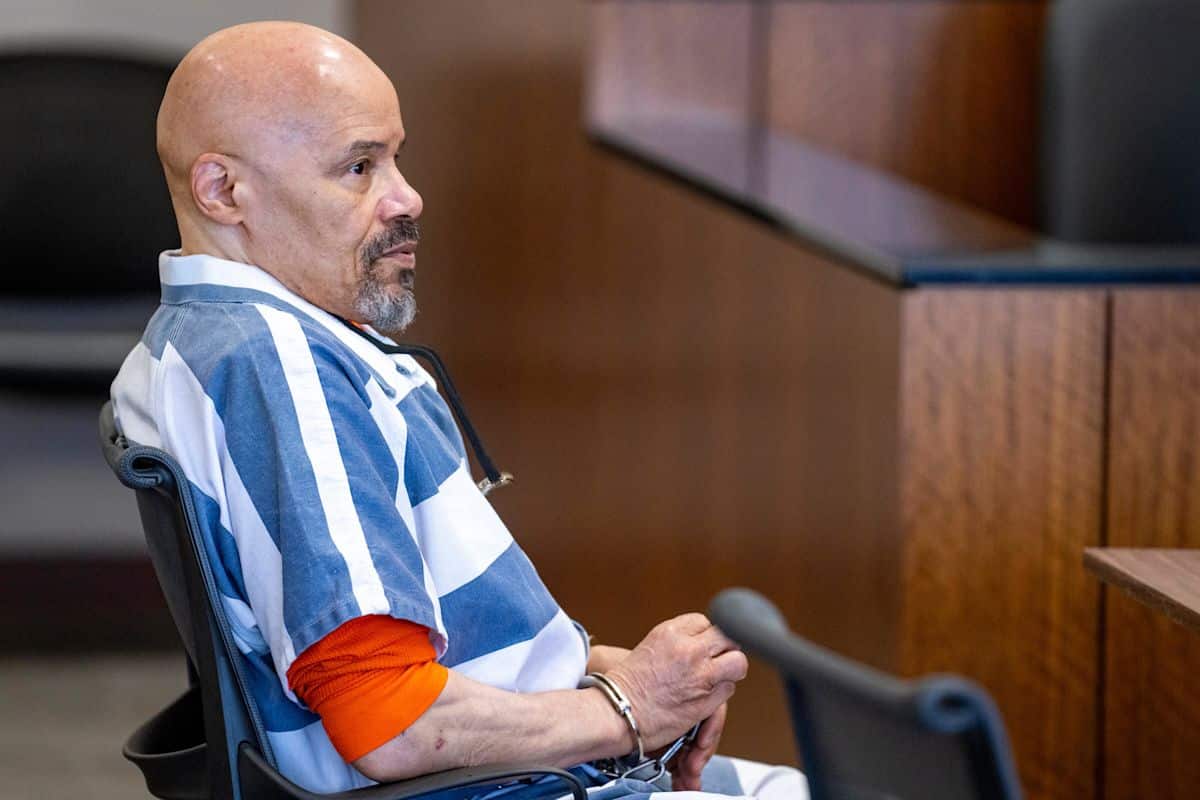
A Utah judge on Monday ordered the release of Douglas Stewart Carter, 71, on bail, allowing him to leave death row after decades of incarceration for the 1985 murder of Eva Olesen. The decision came after prosecutors stated that newly analyzed DNA evidence does not match Carter to key crime scene findings.
Judge Derek Pullan acknowledged that the DNA results, received on September 22, further undermined the case against Carter. However, the judge noted that a jury could still potentially conclude that Carter committed the murder. Carter was convicted in 1985 and sentenced to death for killing Olesen, an aunt of the then-Provo police chief. The state Supreme Court had ordered a new trial last year, citing investigator misconduct. Carter has consistently maintained his innocence, asserting that his confession was coerced.
Prosecutors are reconsidering the case, having withdrawn a notice last week that they intended to seek the death penalty. Utah County prosecutor Erwin Petilos informed the judge that reassessing Carter's bail was "necessary and fair" as the state continues to review the remaining evidence. Carter, originally from Chicago, was living in Utah at the time of the killing, which is suspected to have occurred during a robbery. He was apprehended in Tennessee in June 1985, where he signed a confession after being interrogated by a Provo detective. Carter's defense attorney, Neal Hamilton, has stated that Carter confessed only to save a friend who was arrested at the same time and that he was threatened by police.
As conditions of his release, Carter is required to wear a GPS monitor and is prohibited from contacting Olesen's family. His son, Tyler Anger, who was adopted as an infant and later learned of his father's conviction, was present for his release. Hamilton indicated that Carter will require therapy to cope with the trauma of his extended incarceration.