Key facts
- The US Treasury Department has sanctioned the Russia-linked A7 shadow banking network.
- The A7 network is accused of helping Iran evade sanctions and move funds internationally.
- The Financial Crimes Enforcement Network (FinCEN) proposed a rule to restrict fund transfers involving A7's sub-agents.
- The Office of Foreign Assets Control (OFAC) designated A7 as a significant transnational criminal organization.
- A7 sub-agents processed over $17 billion globally between January 2025 and June 2026, according to FinCEN.
- A7 claimed to process over 2,000 transactions daily with a volume exceeding 7.5 trillion rubles ($91.5 billion) as of January 2026.
The U.S. Treasury Department has targeted the Russia-linked A7 shadow banking network, accusing Iran of using it to evade sanctions and move funds through the international financial system. The measures, described by the Treasury as unprecedented, include a proposed rule by the Financial Crimes Enforcement Network (FinCEN) to restrict fund transfers involving A7's network of sub-agents and an alert to help financial institutions detect suspicious activity. The Office of Foreign Assets Control (OFAC) separately sanctioned A7 as a "significant transnational criminal organization," blocking its assets and prohibiting transactions.
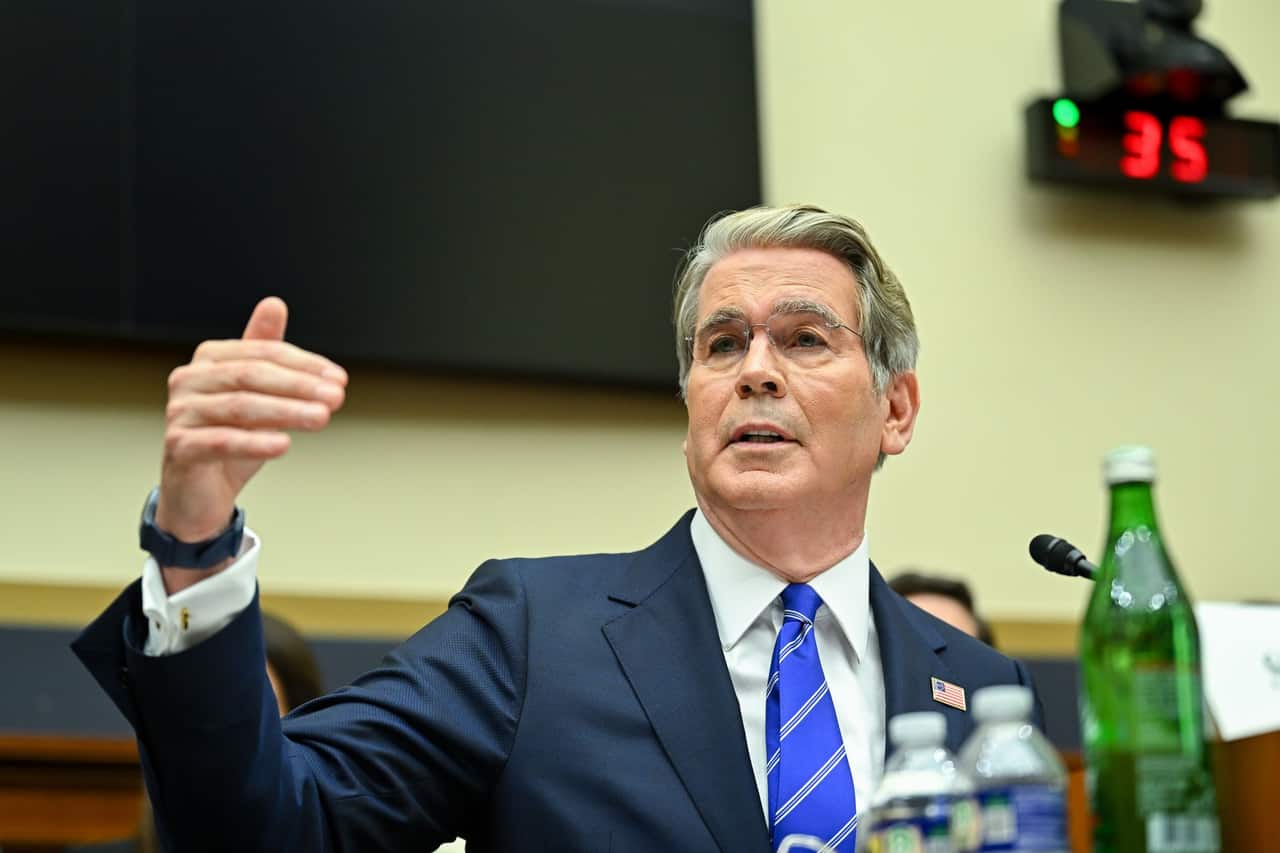
Treasury Secretary Scott Bessent stated that the actions aim to dismantle financial infrastructure used by Iran and other adversaries to evade sanctions and move illicit funds, warning that facilitators risk losing access to the U.S. financial system. According to Treasury, A7 utilized a global network of companies, known as sub-agents, to disguise payments related to sanctioned sectors and individuals as legitimate commercial transactions.
FinCEN's investigation found that A7 sub-agents processed over $17 billion globally between January 2025 and June 2026. A7 itself claimed to be processing more than 2,000 transactions daily with a total volume exceeding 7.5 trillion rubles, or approximately $91.5 billion, which represented about 13% of Russia’s 2025 foreign trade transactions, according to Treasury.
The Treasury department stated that the same sub-agents used for Russia-linked illicit finance also provided financial channels for Iranian actors, including the Central Bank of Iran, the Islamic Revolutionary Guard Corps (IRGC), and Iran-backed groups. These sub-agents facilitated Iranian oil sales and weapons procurement. One sub-agent directly transacted with entities involved in Iran’s "shadow fleet," receiving nearly $140 million from entities linked to Iranian sanctions evasion. Another A7 sub-agent transferred about $1.6 million to a company associated with Iranian sanctions evasion and weapons procurement.
To mask illicit payments, A7 employed falsified trade documents, import and export records, and misleading descriptions of goods. The network has also been linked to Nobitex, Iran’s largest digital-asset exchange, which OFAC sanctioned in June 2026, and has facilitated transactions connected to North Korean cryptocurrency hacks, according to the Treasury.
These actions build upon previous U.S. sanctions imposed on August 14, 2025, against A7-linked entities such as A7 LLC and Old Vector LLC. They also follow an August 31, 2026, alert from Britain’s National Crime Agency detailing A7’s alleged role in sanctions evasion and illicit financial activity involving Russia and Iran.