Key facts
- The U.S. Treasury Department has alerted banks to prepare for possible further intervention to support the Japanese yen.
- Japanese authorities conducted a significant intervention on Thursday, buying yen and selling dollars.
- The yen strengthened sharply against the dollar following the intervention.
- U.S. authorities reportedly conducted a 'rate check,' a common precursor to intervention.
- The U.S. Treasury, with the Federal Reserve Bank of New York acting on its behalf, intervened on Friday to support the yen, marking the first such joint action with Tokyo in over a decade.
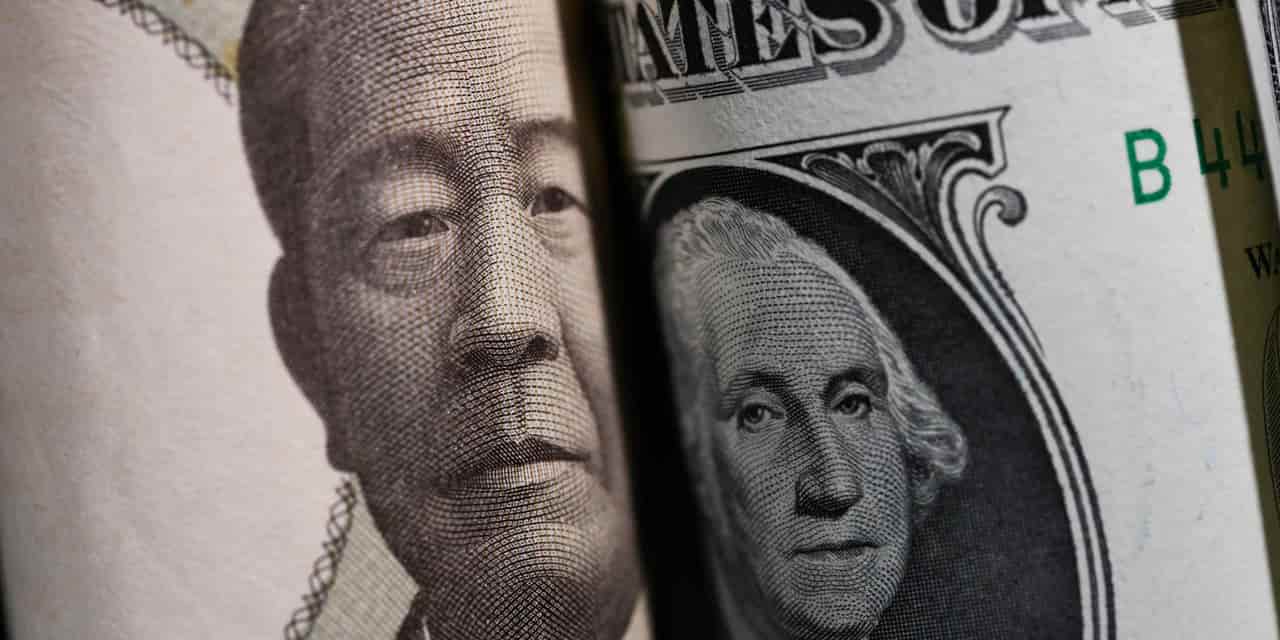
The U.S. Treasury Department has signaled to financial institutions the possibility of further intervention to bolster the Japanese yen, following a significant market operation by Japanese authorities. This move comes after Japan's substantial single-day intervention, which saw it buy yen and sell dollars, lifting the currency from four-decade lows.
Japanese authorities confirmed they intervened on Thursday, buying yen and selling dollars to support the currency. The yen experienced a rapid surge against the dollar, moving from approximately ¥162.80 to the ¥157 level within an hour. As of Friday noon, it was trading around ¥160.70. While no official confirmation of intervention was made, market analysts widely assume it occurred due to the sharp, unexplained currency movement.
U.S. authorities reportedly conducted a 'rate check,' a common precursor to intervention, suggesting a potential coordinated effort with Japan. U.S. Treasury Secretary Scott Bessent had also recently commented that the yen was undervalued. Japan had previously intervened in late April after the yen breached ¥160 to the dollar, a level not seen in four decades. That intervention, amounting to a record 11.7 trillion yen ($73 billion) between late April and late May, provided only a temporary boost.
The recent yen weakness has been attributed partly to escalating Middle East tensions and the U.S. Federal Reserve's decision to maintain its policy rate. Analysts anticipate that the effects of the latest intervention may be short-lived, similar to previous attempts.
The U.S. Treasury stepped into the currency market on Friday to back the battered yen, marking Washington's first intervention along with Tokyo to support Japan's currency in over a decade. The Federal Reserve Bank of New York conducted a sale of euros to buy yen on behalf of the Treasury through Goldman Sachs and Morgan Stanley, according to the Financial Times.