Key facts
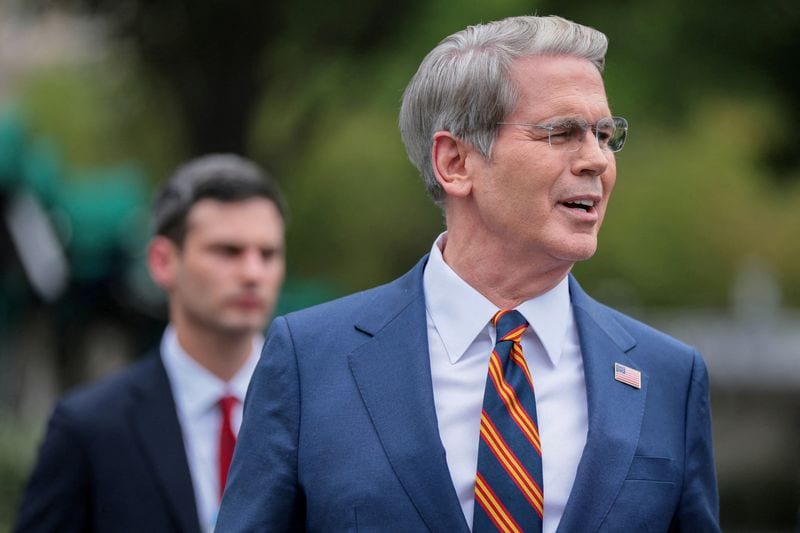
- U.S. Treasury Secretary Scott Bessent publicly encouraged the Federal Reserve to consider increasing the FIMA repo facility's size.
- Bessent's comments follow a joint currency intervention by the U.S. and Japan to support the yen.
- He believes the Bank of Japan should follow intervention with rate hikes to combat inflation and yen weakness.
- A meeting between Bessent and BOJ Governor Kazuo Ueda is scheduled before the BOJ's September policy meeting.
- Sources suggest the BOJ is likely to hike rates in September or October, with September being a strong possibility.
- The BOJ ended its massive stimulus program in 2024 and previously raised rates in June.
U.S. Treasury Secretary Scott Bessent has publicly urged the Federal Reserve to consider expanding the FIMA repo facility, a move intended to provide further support for Japan's currency. Bessent's remarks come after a joint intervention by the U.S. and Japan to bolster the yen, which had fallen to multi-decade lows. He emphasized that currency intervention must be accompanied by domestic policy adjustments, specifically interest rate hikes by the Bank of Japan (BOJ), to effectively combat inflation and correct yen undervaluation.
Bessent expressed confidence in BOJ Governor Kazuo Ueda's management of the economy and anticipates a slowdown in inflation due to decreasing energy prices and a corrected yen. His public statements have intensified expectations for a BOJ rate hike at its upcoming September meeting. This pressure from the U.S. Treasury, coupled with the BOJ's own hawkish signals regarding inflation risks, has led many analysts to predict a rate increase in September or October.
While the joint intervention has provided some stability to the yen, former BOJ executive Kazuo Momma cautioned that such actions are temporary without follow-up rate hikes. He also highlighted the gravity of U.S. involvement, suggesting that political interference with the BOJ's rate decisions could be seen as a betrayal. Japan's central bank, which ended its massive stimulus program in 2024 and raised rates in June, faces pressure to manage the economic impact of a weak yen, which increases import costs and household expenses.
Sources close to the matter indicate that a meeting between Bessent and Ueda in late August could further solidify the case for a September rate hike. The timing of the BOJ's next move is crucial for market perceptions of its future policy trajectory, with some analysts suggesting a September hike could signal a pattern of quarterly increases.