Key facts
- The Federal Reserve held its benchmark interest rate steady at 3.50%-3.75%.
- Three FOMC members dissented, voting for a 25-basis-point rate increase.
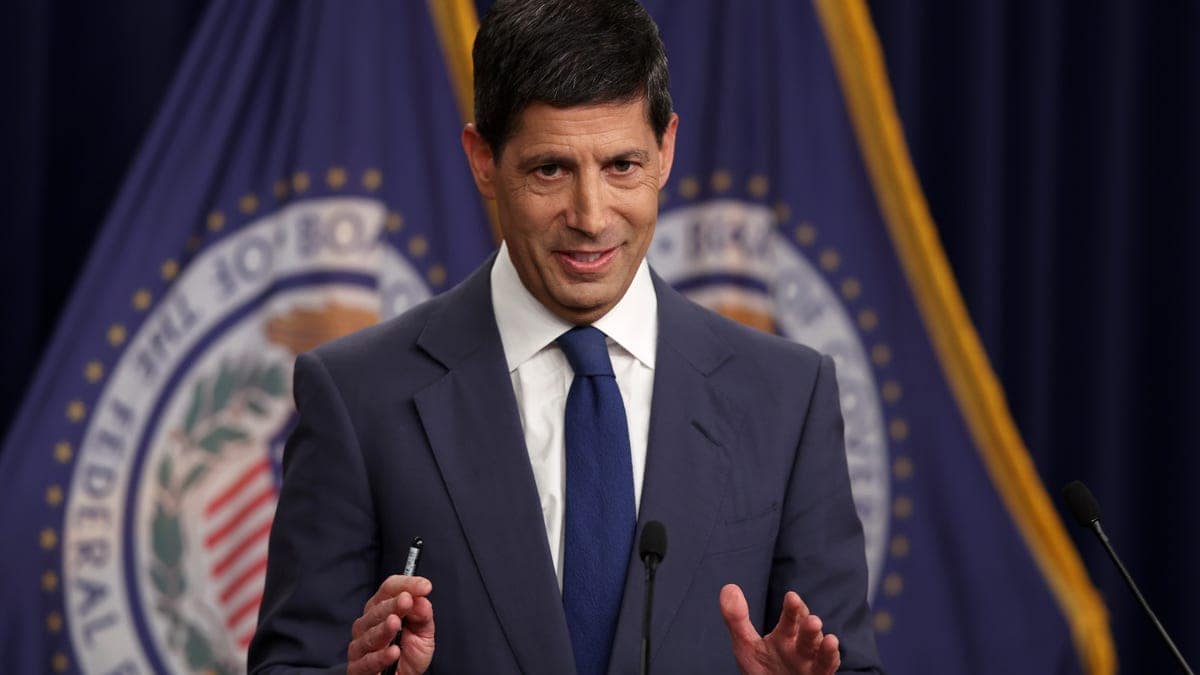
- Fed Chair Kevin Warsh emphasized a commitment to combating inflation.
- Economic activity is expanding at a solid pace with steady job gains.
- Markets reacted with stocks paring losses, Treasury yields paring gains, and a weaker dollar.
The Federal Reserve maintained its benchmark interest rate at 3.50%-3.75%, a decision marked by three dissenting votes from policymakers who favored a quarter-percentage-point increase. This internal division underscores ongoing concerns about inflation, which has remained above the central bank's 2% target for over five years.
Fed Chair Kevin Warsh, in his second meeting leading the central bank, stressed a firm stance against inflation, stating there is "no tolerance" for its current elevated levels. He acknowledged that recent modest price decreases do not signal a resolution to the prolonged inflation period and assured that the Fed "will not waver" in its commitment to bring it down.
The policy statement indicated that economic activity is expanding at a solid pace, with job gains keeping pace with workforce growth and minimal change in the unemployment rate. The significant number of dissents suggests a hawkish inclination among some Fed officials.
Market reactions to the announcement included a reduction in stock market losses, a moderation of gains in U.S. Treasury yields, and a fall in the dollar against a basket of currencies. Analysts anticipate a potential rate hike in September unless labor market data weakens significantly or core inflation moves closer to the 2% target.