Key facts
- The Federal Reserve held its federal funds rate steady at 3.50%-3.75%.
- The FOMC voted 9-3 to maintain the current rate, with three members dissenting.
- Dissenting members advocated for a quarter-point rate hike due to inflation concerns.
- The Fed noted solid economic activity but acknowledged elevated inflation.
- Markets reacted with volatility, including rising bond yields and falling stock indexes.
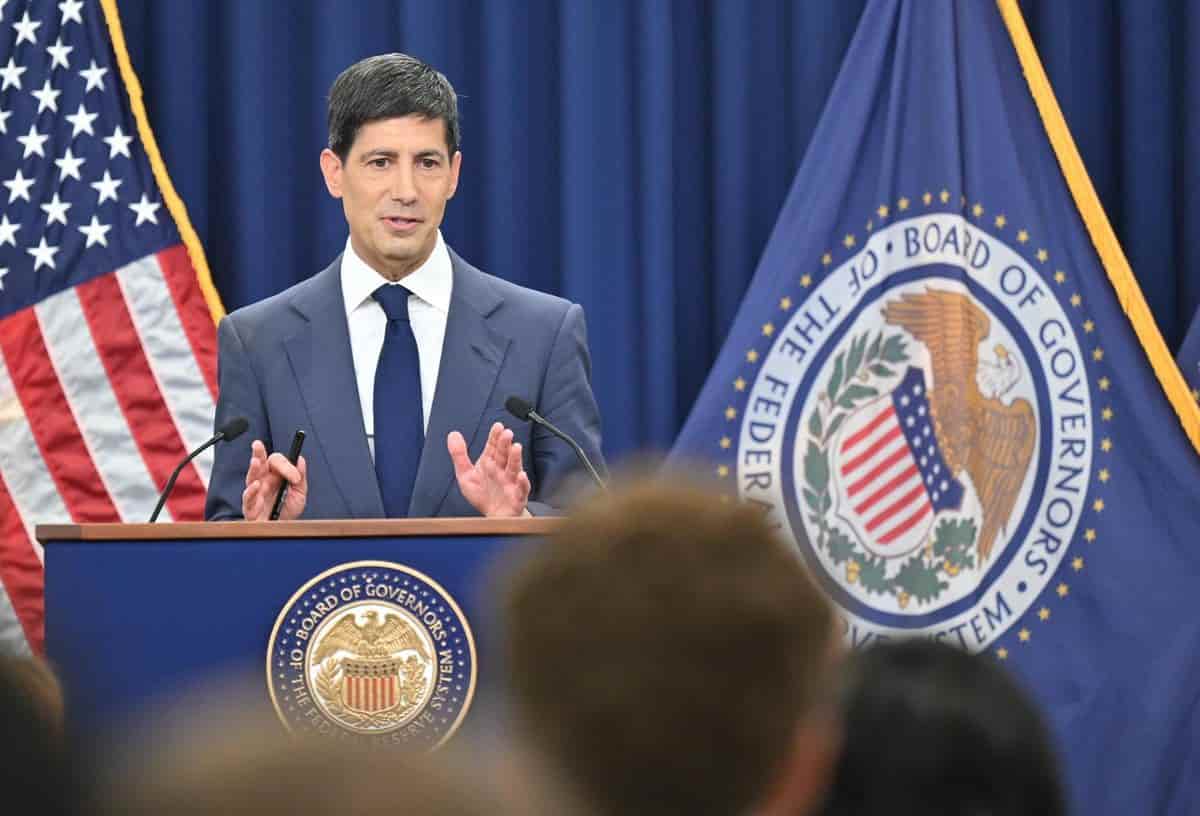
Federal Reserve officials opted to hold interest rates steady at their July meeting, marking the second such decision under Chair Kevin Warsh. The Federal Open Market Committee (FOMC) voted 9-3 to maintain the federal funds rate at 3.50%–3.75%, with the three dissenting members advocating for a quarter-point increase due to persistent inflation concerns.
The Committee acknowledged solid economic activity and job gains, but noted that inflation remains elevated, influenced by supply shocks in sectors like energy. The Fed reaffirmed its commitment to price stability and maintaining ample reserves in the banking system.
The market reaction was initially muted but turned volatile, with bond yields spiking and major stock indexes closing lower. The 10-year Treasury yield rose seven basis points, and the 30-year bond yield reached its highest level since 2007. The S&P 500 fell 1.5%, the Dow Jones Industrial Average dropped 2.18%, and the Nasdaq 100 declined by 2%.
Chair Warsh described the committee's deliberations as a "good family fight," indicating robust discussion around the decision. The short statement provided fewer clues about future policy moves, with price stability remaining the key focus. Absent improvements in core inflation, the Fed may consider rate hikes later in the year, influenced by economic data and the uncertain geopolitical environment. Warsh is also considering reducing the frequency of Fed policy meetings, which would be the biggest change since he became chairman.