Key facts
- Japan and the U.S. Treasury conducted a joint intervention to strengthen the yen.
- The U.S. Treasury reportedly sold euros to buy yen, an unusual tactic.
- Japan may have spent up to $36.58 billion in total on yen-buying intervention.
- The yen strengthened significantly last week following these actions.
- Bank of Japan data indicates Japan may not have intervened in the currency market on Monday.
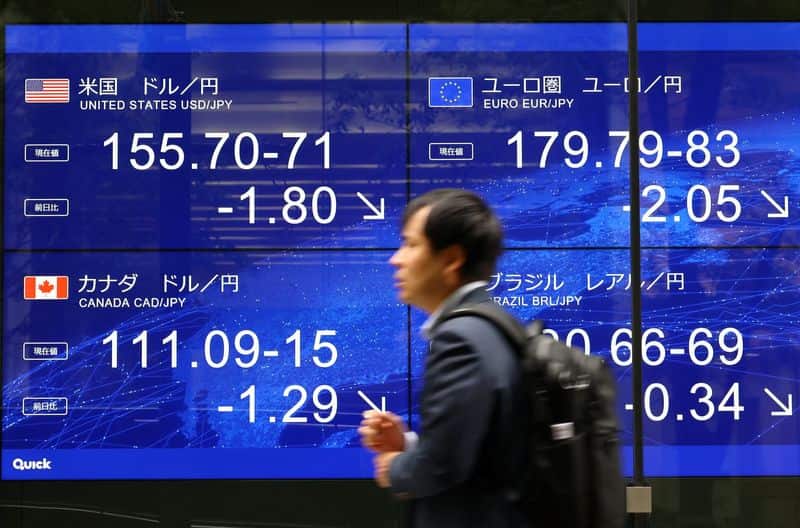
Bank of Japan data suggests that Japan may not have intervened in the currency market on Monday, despite a sudden surge in the yen. This comes after Japan's Ministry of Finance confirmed it had engaged in joint yen-buying intervention with the United States on Friday. The yen had suddenly leapt in Asian trading on Monday to hit 155.20 per dollar, its strongest in about three months. The Bank of Japan's projection for money market conditions for Wednesday points to a shortfall of 3.38 trillion yen ($21.43 billion), and Tuesday's data did not indicate a large outflow in the central bank's current account balances, which are typically interpreted as correlating with the size of any intervention. Japan may have spent as much as $36.58 billion to buy yen to strengthen the currency during Friday's intervention. Analysts doubt speculators will be deterred from betting against the yen without tighter monetary policy from the Bank of Japan.