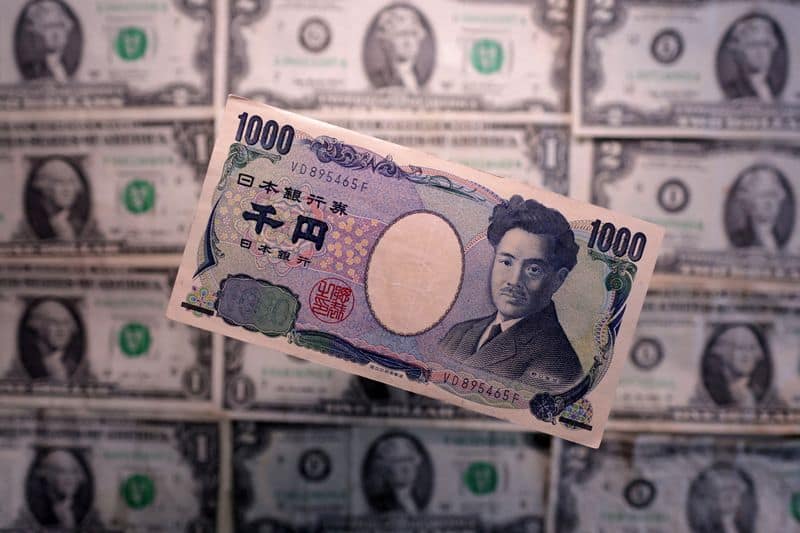
Key facts
- Japan intervened in currency markets to buy yen and sell dollars.
- The Bank of Japan maintained its interest rates.
- The yen weakened against the dollar after the BOJ's decision.
- Japan may have spent $58.97 billion in its intervention.
- The U.S. Treasury has notified banks of potential future intervention in the yen market.
Japan intervened in currency markets by buying yen and selling dollars, potentially spending as much as $58.97 billion in its latest effort to bolster the currency. This marked the first such action in three months. The intervention briefly saw the yen strengthen to 160.10 per dollar, a 2% rise. However, the yen weakened again after the Bank of Japan maintained its interest rates, allowing the dollar to extend its gains. U.S. authorities also conducted rate checks. The U.S. Treasury has since informed a number of banks that it may intervene in the yen market, signaling potential future action.