Key facts
- The U.S. Department of Defense sees South Korea's efforts to retake wartime operational control (OPCON) as an opportunity for improvements.
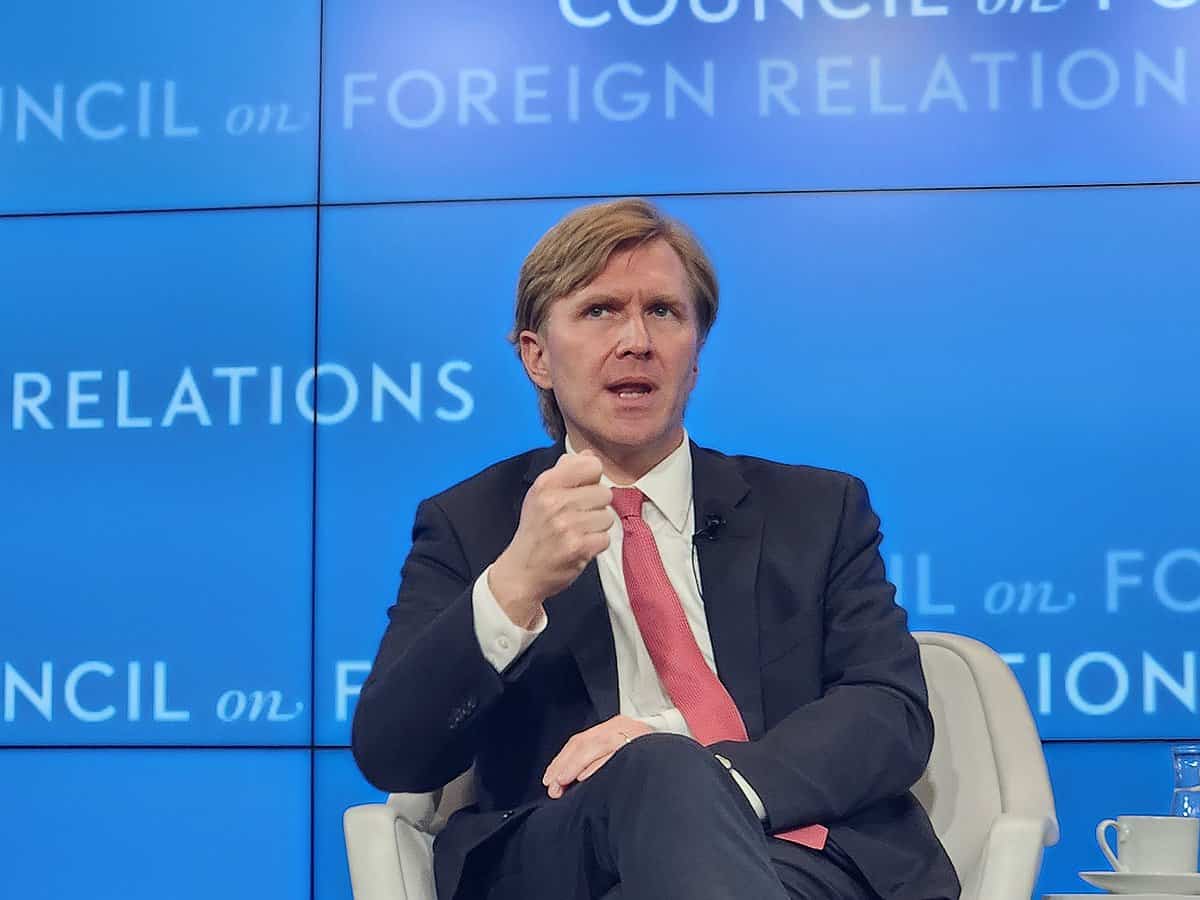
- Under Secretary of Defense for Policy Elbridge Colby made these remarks in a statement to the Senate Armed Services Committee.
- South Korean President Lee Jae Myung's administration aims to complete the OPCON transition before its term ends in 2030.
- South Korea has committed to spending 3.5% of its GDP on core military capabilities.
- South Korea will take primary responsibility for its conventional defense against North Korea.
The United States views South Korea's ongoing efforts to regain wartime operational control (OPCON) as a strategic opportunity to foster substantial advancements in the Republic of Korea's military capabilities. Elbridge Colby, the U.S. Under Secretary of Defense for Policy, stated that the Department of Defense is leveraging this process to incentivize "generational improvements" in South Korea's warfighting capacity. This initiative aligns with the administration of South Korean President Lee Jae Myung, which aims to complete the conditions-based OPCON transition by 2030.
Colby's remarks, delivered in a statement to the Senate Armed Services Committee, also highlighted the ongoing modernization of the alliance between Seoul and Washington. He emphasized strengthening the U.S. conventional posture in South Korea to counter regional threats and bolster Indo-Pacific security amid an increasingly assertive China. Furthermore, Colby noted significant progress in "burden sharing" within the Indo-Pacific, pointing to South Korea's adoption of a defense spending target of 3.5% of its gross domestic product on core military capabilities, a standard described as "new global." South Korea has also agreed to assume primary responsibility for its conventional defense against North Korea.