Key facts
- Rep. John Moolenaar urged Secretary of State Marco Rubio to maintain "heightened vigilance" over South Korea-China ties.
- Moolenaar cited deepening leader-level relations, semiconductor investment, and "unfair" treatment of U.S. firms as risks.
- Moolenaar expressed concern over the pace of leader-level engagement between Seoul and Beijing.
- Moolenaar cited President Lee Jae Myung's remark on the Taiwan Strait.
- Moolenaar requested a State Department briefing by Oct. 31.
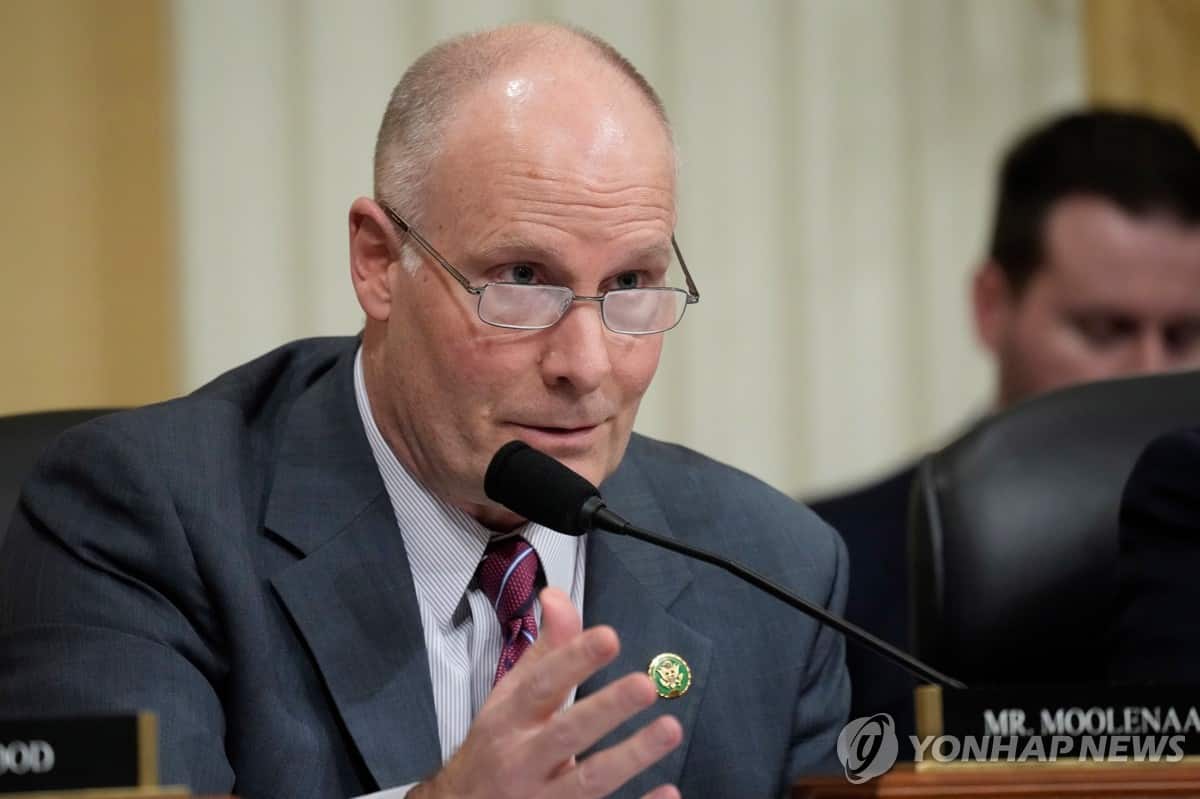
Representative John Moolenaar, the Republican chairman of the congressional committee on U.S.-China competition, has urged Secretary of State Marco Rubio to maintain "heightened vigilance" over the warming relationship between Seoul and Beijing, which he said poses "significant risks" to the United States, according to a Reuters report.
Moolenaar cited deepening leader-level relations between Seoul and Beijing, South Korean semiconductor investment in China, and "unfair" treatment of U.S. firms in Korea compared with Chinese rivals. He portrayed South Korea as a "major American ally" but pointed out the "potential for frictions to develop into a structural shift in Seoul's alignment."
He expressed concerns over what he called the "unprecedented" pace of leader-level engagement between Seoul and Beijing, noting that Chinese President Xi Jinping visited South Korea for the first time in 11 years last year, and that South Korean President Lee Jae Myung visited China this year, the first presidential visit since 2019. The chairman also pointed to the "widening gulf" between South Korea and the U.S., claiming that Seoul had "effectively ruled out" supporting a regional response to any Chinese aggression against Taiwan. He cited Lee's related campaign remark in 2024: "What does it matter to us what happens in the Taiwan Strait?"
Moolenaar called for a State Department briefing on developments in South Korea-China relations by Oct. 31. The report also noted signs of tension between Seoul and Washington, as U.S. President Donald Trump has expressed frustration about South Korea's perceived lack of support over the Iran war.